

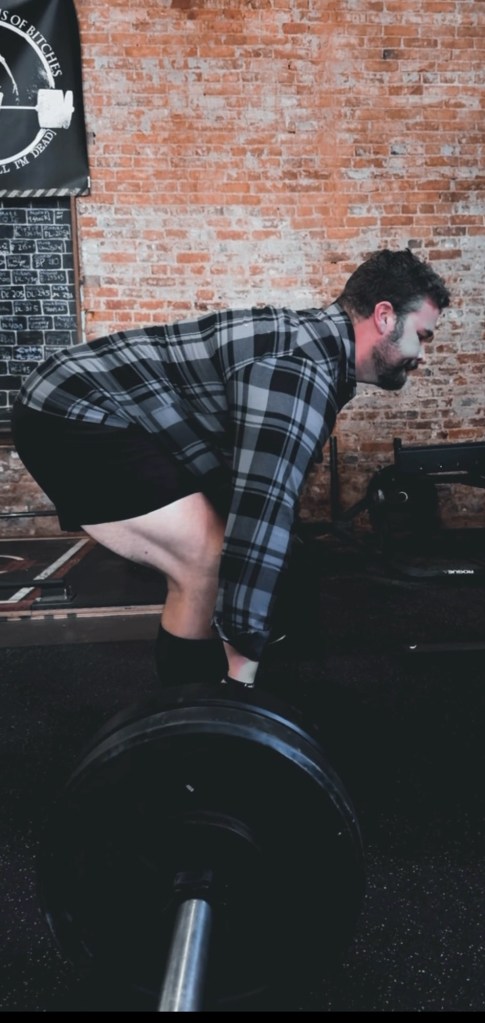
When it comes to real training for strength, performance, and injury prevention, the posterior chain is one of the most overlooked aspects of strength and conditioning. This group of muscles—consisting of the hamstrings, glutes, lower back, and spinal erectors—serves as the powerhouse for movements that are essential not only for sports performance but for overall longevity and injury prevention.
If you’re looking to increase your athletic performance, bulletproof your body, and set yourself up for long-term health, prioritizing your posterior chain is essential. Let’s dive into why strengthening this muscle group is so important for anyone serious about fitness.
What Is the Posterior Chain?
The posterior chain refers to the muscles located on the backside of your body, from your neck down to your heels. These include:
- Glutes (your body’s largest muscle group)
- Hamstrings (the muscles running along the back of your thighs)
- Lower back (spinal erectors, which help with posture and stability)
- Calves (support balance and explosiveness)
- Traps
- Lats
Though not the most visible muscles in a mirror, the posterior chain is critical for performing daily movements such as lifting, walking, jumping, and running.
1. Build a Strong Foundation for Longevity
As we age, maintaining strength in the posterior chain is vital for keeping a healthy posture, avoiding back pain, and preserving mobility. Weak glutes and hamstrings often result in imbalances, leading to chronic pain and poor movement patterns. Strengthening these muscles promotes joint stability, improving the way your body moves and preventing wear and tear on joints, particularly in the knees and lower back.
When you focus on strengthening your posterior chain, you are investing in your future by safeguarding your body against common age-related issues like poor posture, reduced mobility, and injuries.
2. Unleash Explosive Power
Athletes across all disciplines—from football players to sprinters—rely heavily on the posterior chain for power and explosiveness. Movements like jumping, sprinting, and even throwing require a strong foundation. Movements that target the posterior chain, such as deadlifts variations Nordic hamstring curls, and kettlebell swings, translate directly into more explosive power on the field or court.
The stronger your posterior chain, the more power you’ll generate when you jumping, hitting top speed, or perform any dynamic movement. This is why elite athletes make posterior chain exercises a priority in their training routines.
3. Injury Prevention: Bulletproof Your Body
A strong posterior chain not only makes you more powerful but also helps protect you from injury. Whether you’re a recreational athlete or a weekend warrior, the lower back, hamstrings, and glutes are particularly prone to strains and tears if underdeveloped.
Improving strength and power in this chain creates more balanced movement patterns, reducing the risk of overloading weaker areas of the body. For instance, knee pain is often the result of weak hamstrings and glutes, which forces the quads to overcompensate.
By training the posterior chain, you create a solid foundation that stabilizes your body, protecting your joints and ligaments from undue stress.
4. Improved Athletic Performance
If you want to take your athletic performance to the next level, focusing on the posterior chain is non-negotiable. Whether you’re aiming for a faster sprint or a higher jump these muscles are responsible for generating the force needed to excel in virtually any sport.
For instance, in sports like soccer, basketball, or tennis, a strong posterior chain enables quick, powerful starts and efficient stopping, which are key for outmaneuvering opponents.
Athletes with well-developed posterior chains also tend to perform better in strength-based sports such as powerlifting, CrossFit, and even gymnastics. Their ability to transfer force from the ground up—due to strong hamstrings and glutes—provides a major advantage in lifting, jumping, and high-impact movements.
Key Exercises for Developing the Posterior Chain
Now that we’ve covered the benefits of training your posterior chain, let’s look at a few key movements that can help you build this crucial muscle group:
- Deadlifts Variations: One of the best exercises for hitting the glutes, hamstrings, and lower back. Focus on maintaining proper form to avoid injury.
- Nordic Hamstring Curl: Killer on the hammies, which play a central role in athletic power.
- Romanian Deadlifts (RDLs): Targets the hamstrings and lower back, improving both flexibility and strength.
- Kettlebell Swings: An excellent way to build explosive power in the hips and glutes.
- Glute-Ham Raises: Targets both the glutes and hamstrings, essential for injury prevention and strength.
- Back Extensions: Strengthens the lower back, contributing to better posture and injury resistance.
Conclusion
Building a strong posterior chain is one of the smartest investments you can make for your body. Whether you’re looking to extend your athletic career, improve your overall strength, or protect yourself from injury, focusing on these muscles is the key. You’ll experience better performance, greater resilience, and enhanced longevity in your fitness journey. So, next time you’re in the gym, don’t neglect your posterior chain—your future self will thank you!
Start prioritizing your posterior chain today, and experience the powerful benefits tomorrow.
 Sports Performance and Private Training