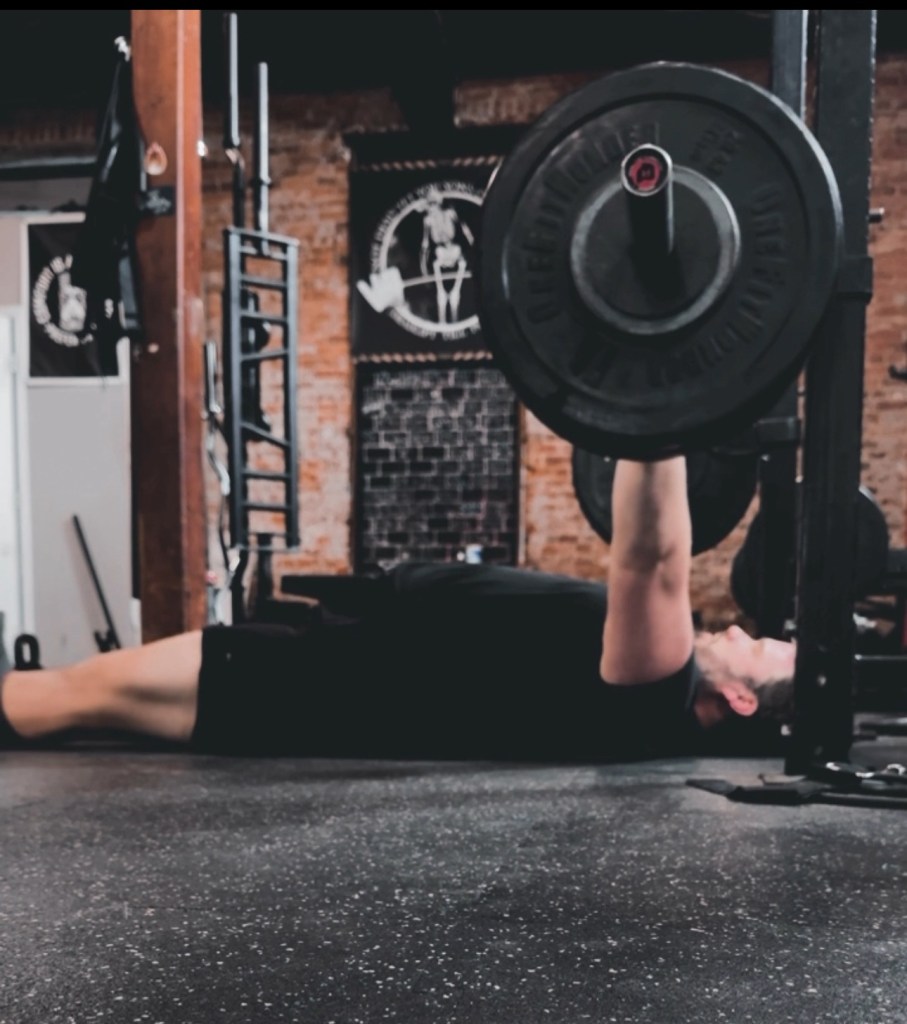
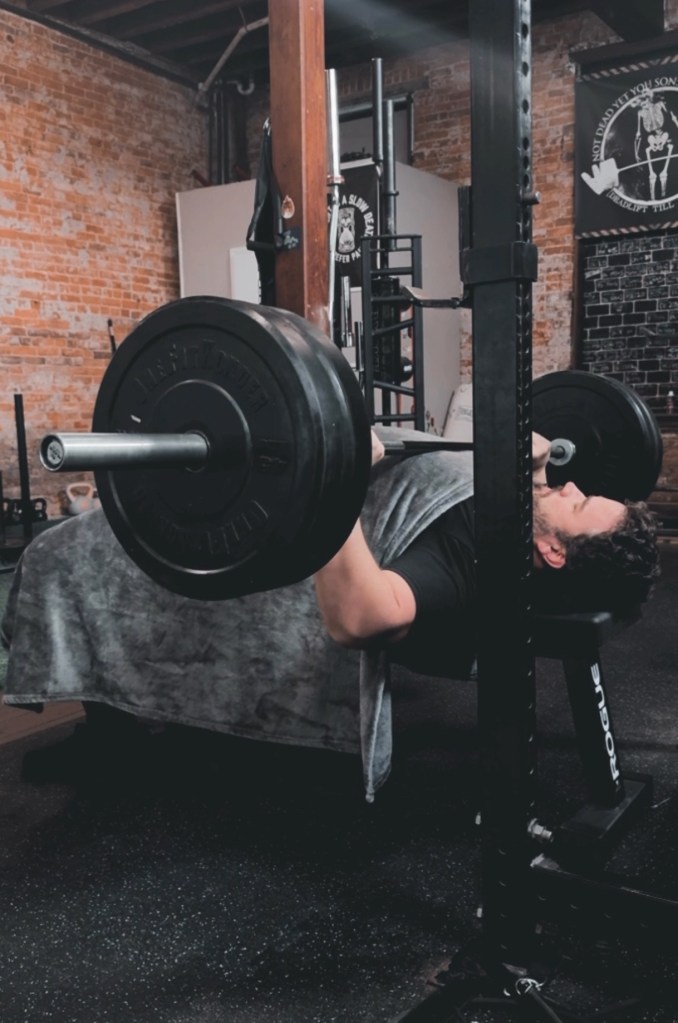
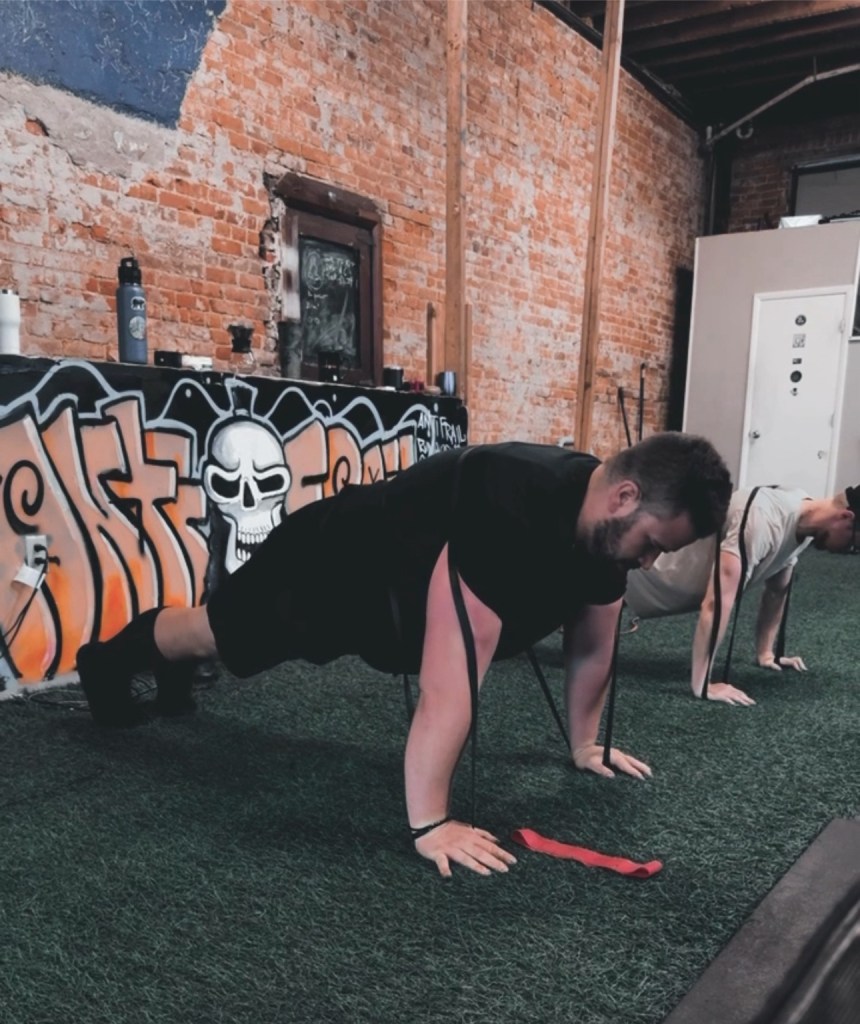
I graduated from Boiling Springs High School where I competed through four years of varsity Football and Track. I went on to receive my B.S. in Exercise Science and minor in Biology from Shippensburg University. I spent the last few months of my college career interning as a Strength and Conditioning Coach at Results Fitness in Chambersburg, Pennsylvania. I conducted speed and agility classes for high school football teams and developed sports-specific training protocols for baseline testing and post-program testing on different types of athletes.
I have spent the last nine years as a Strength Coach at LA Fitness, Unlimited Changes, and Warriorfit Performance. I take pride in motivating clientele and athletes to reach their specific goals. I have worked with a variety of athletes from 6 years old to the professional level in order to reach optimal performance. I work to improve Mobility, Relative Strength, Absolute Strength, Power, and Metabolic Conditioning Levels through a progressive system. My drive in this industry is to mold individuals' minds and bodies, enabling them to achieve goals, which once might have seen unobtainable. The first step is believing in yourself, not setting limitations, and working to get better everyday.
As we strive for physical health, it’s easy to overlook the profound impact movement has on our mental well-being. Wisdom is understanding that daily movement is as much about mental health as it is physical health. In this blog, we’ll explore the transformative power of exercise on our minds and provide practical tips to harness its benefits.
The Science Behind Exercise and Mental Health
Research reveals that regular physical activity:
· Reduces symptoms of anxiety and depression by 47% (Harvard Health Publishing) · Boosts mood and energy levels by releasing endorphins and dopamine · Enhances cognitive function, improving focus and concentration · Promotes better sleep quality, essential for mental restoration
Exercise’s impact on mental health extends beyond chemical responses. Physical activity:
· Provides a healthy distraction from stress and worry · Fosters social connections and community through group fitness · Builds self-confidence and self-esteem through achievement
Putting Movement into Action: Tips for Mental Wellness
To reap the mental health benefits of exercise, incorporate these habits into your daily routine:
Start small: Begin with 15-30 minute walks or training sessions.
Find your why: Identify activities that bring you joy, whether it is strength training, swimming, or hiking.
Schedule it: Treat movement as non-negotiable self-care.
Mix it up: Vary your routine to avoid plateaus and prevent overuse injuries.
Make it social: Join a community or find a workout buddy.
Real-Life Examples of Exercise’s Impact
Meet Sarah, who overcome anxiety through regular running:
“Running cleared my mind and helped me focus on the present. It’s now my go-to stress-relief strategy.”
Or John, who found confidence through weightlifting:
“Lifting weights made me realize I’m capable of more than I thought. It translates to other areas of my life, too.”
Exercise is a potent tool for mental wellness. By prioritizing daily movement, you’re investing in a stronger, healthier you – body and mind.
Additional Resources
· National Alliance on Mental Illness (NAMI): [link] · American Council on Exercise (ACE) Fitness: [link] · Mindful Movement Initiative: [link]
Call to Action
Share your favorite exercise routines and mental health tips in the comments below! Follow us for more fitness insights, mental health awareness, and inspiring transformations
As athletes and STRENGTH enthusiasts, we’re constantly seeking ways to optimize our performance, increase our strength, and enhance our endurance. While a well-structured training program and nutritious diet are essential, there’s another critical factor that often gets overlooked: sleep.
Sleep is the unsung hero of recovery, playing a vital role in adapting to training stimulus, repairing muscle tissue, and replenishing energy stores. Elite athletes understand the importance of prioritizing sleep, and it’s time for you to do the same.
The Science Behind Sleep and Recovery
When you sleep, your body:
· Repairs and rebuilds muscle tissue · Replenishes energy stores · Regulates hormones and inflammation · Enhances cognitive function and focus
Lack of sleep, on the other hand, can lead to:
· Decreased strength and performance · Increased risk of injury and illness · Impaired cognitive function and decision-making · Reduced adaptability to training stimulus
👉Prioritizing Sleep for Optimal Performance
To reap the benefits of sleep and recovery, follow these evidence-based tips:
Aim for 7-9 hours: Ensure you’re getting sufficient deep sleep each night.
Establish a bedtime routine: Wind down with relaxation techniques, such as reading or meditation.
Create a sleep-conducive environment: Keep your bedroom dark, quiet, and cool.
Avoid screens before bed: The blue light emitted can disrupt sleep patterns.
Consistency is key: Stick to a regular sleep schedule.
Real-World Examples of Athletes Prioritizing Sleep
Professional athletes like LeBron James, Tom Brady, and Serena Williams prioritize sleep as part of their training regimens. They understand that recovery is just as important as training.
Takeaway
Don’t sacrifice tomorrow’s gains for tonight’s Netflix binge. Invest in your recovery by prioritizing sleep. Wake up feeling refreshed, focused, and ready to crush your fitness goals.
Additional Resources
· National Sleep Foundation: [link] · American Academy of Sleep Medicine: [link] · Sleep and Athletic Performance: [research study link]
Call to Action
Share your sleep tips and strategies in the comments below! Follow us for more fitness insights, training advice, and motivation to help you reach your full potential.
When it comes to real training for strength, performance, and injury prevention, the posterior chain is one of the most overlooked aspects of strength and conditioning. This group of muscles—consisting of the hamstrings, glutes, lower back, and spinal erectors—serves as the powerhouse for movements that are essential not only for sports performance but for overall longevity and injury prevention.
If you’re looking to increase your athletic performance, bulletproof your body, and set yourself up for long-term health, prioritizing your posterior chain is essential. Let’s dive into why strengthening this muscle group is so important for anyone serious about fitness.
What Is the Posterior Chain?
The posterior chain refers to the muscles located on the backside of your body, from your neck down to your heels. These include:
Glutes (your body’s largest muscle group)
Hamstrings (the muscles running along the back of your thighs)
Lower back (spinal erectors, which help with posture and stability)
Calves (support balance and explosiveness)
Traps
Lats
Though not the most visible muscles in a mirror, the posterior chain is critical for performing daily movements such as lifting, walking, jumping, and running.
1. Build a Strong Foundation for Longevity
As we age, maintaining strength in the posterior chain is vital for keeping a healthy posture, avoiding back pain, and preserving mobility. Weak glutes and hamstrings often result in imbalances, leading to chronic pain and poor movement patterns. Strengthening these muscles promotes joint stability, improving the way your body moves and preventing wear and tear on joints, particularly in the knees and lower back.
When you focus on strengthening your posterior chain, you are investing in your future by safeguarding your body against common age-related issues like poor posture, reduced mobility, and injuries.
2. Unleash Explosive Power
Athletes across all disciplines—from football players to sprinters—rely heavily on the posterior chain for power and explosiveness. Movements like jumping, sprinting, and even throwing require a strong foundation. Movements that target the posterior chain, such as deadlifts variations Nordic hamstring curls, and kettlebell swings, translate directly into more explosive power on the field or court.
The stronger your posterior chain, the more power you’ll generate when you jumping, hitting top speed, or perform any dynamic movement. This is why elite athletes make posterior chain exercises a priority in their training routines.
3. Injury Prevention: Bulletproof Your Body
A strong posterior chain not only makes you more powerful but also helps protect you from injury. Whether you’re a recreational athlete or a weekend warrior, the lower back, hamstrings, and glutes are particularly prone to strains and tears if underdeveloped.
Improving strength and power in this chain creates more balanced movement patterns, reducing the risk of overloading weaker areas of the body. For instance, knee pain is often the result of weak hamstrings and glutes, which forces the quads to overcompensate.
By training the posterior chain, you create a solid foundation that stabilizes your body, protecting your joints and ligaments from undue stress.
4. Improved Athletic Performance
If you want to take your athletic performance to the next level, focusing on the posterior chain is non-negotiable. Whether you’re aiming for a faster sprint or a higher jump these muscles are responsible for generating the force needed to excel in virtually any sport.
For instance, in sports like soccer, basketball, or tennis, a strong posterior chain enables quick, powerful starts and efficient stopping, which are key for outmaneuvering opponents.
Athletes with well-developed posterior chains also tend to perform better in strength-based sports such as powerlifting, CrossFit, and even gymnastics. Their ability to transfer force from the ground up—due to strong hamstrings and glutes—provides a major advantage in lifting, jumping, and high-impact movements.
Key Exercises for Developing the Posterior Chain
Now that we’ve covered the benefits of training your posterior chain, let’s look at a few key movements that can help you build this crucial muscle group:
Deadlifts Variations: One of the best exercises for hitting the glutes, hamstrings, and lower back. Focus on maintaining proper form to avoid injury.
Nordic Hamstring Curl: Killer on the hammies, which play a central role in athletic power.
Romanian Deadlifts (RDLs): Targets the hamstrings and lower back, improving both flexibility and strength.
Kettlebell Swings: An excellent way to build explosive power in the hips and glutes.
Glute-Ham Raises: Targets both the glutes and hamstrings, essential for injury prevention and strength.
Back Extensions: Strengthens the lower back, contributing to better posture and injury resistance.
Conclusion
Building a strong posterior chain is one of the smartest investments you can make for your body. Whether you’re looking to extend your athletic career, improve your overall strength, or protect yourself from injury, focusing on these muscles is the key. You’ll experience better performance, greater resilience, and enhanced longevity in your fitness journey. So, next time you’re in the gym, don’t neglect your posterior chain—your future self will thank you!
Start prioritizing your posterior chain today, and experience the powerful benefits tomorrow.
Are you guilty of saying “I don’t have time to work out”? Do you genuinely believe that your schedule is too packed to fit in a 30-minute workout? It’s time for a reality check.
The average person spends around 4-6 hours per day staring at their screen. That’s 26-40% of your day spent scrolling, swiping, and tapping. Meanwhile, 30 minutes of exercise is just 2% of your day.
Think about it: could you spare 2% of your day to improve your physical and mental health?
The Excuse Epidemic
We’ve all been there – life gets busy, and exercise falls by the wayside. But the truth is, exercise shouldn’t be an afterthought. It should be a non-negotiable part of your daily routine.
When you say “I don’t have time”, what you’re really saying is “I’m not prioritizing my health”. And that’s okay – we’ve all been there. But it’s time to break free from the excuse cycle.
Breaking Free from Excuses: 3 Simple Steps
Ready to stop making excuses and start moving? Here are three simple steps to get you started:
Check Your Screen Time: Take a hard look at how much time you spend on your phone or computer. You might be shocked at how much time you’re wasting.
Schedule Your Workout: Treat your workout like any other non-negotiable appointment. Write it down, set reminders, and show up.
Start Small: You don’t need to spend hours at the gym to see results. Begin with 30 minutes per day, 3-4 times per week, and gradually increase your intensity and duration.
It’s time to stop making excuses and start taking control of your health. Remember, 30 minutes is just 2% of your day. You’ve got this.
Share your favorite workout tips and excuses-busting strategies in the comments below!
Follow us for more fitness motivation and no-excuses tips to get you moving!
Life is full of uncertainties and unexpected challenges. While we can’t control everything that happens around us, we do have power over one crucial element: ourselves. Focusing on the things that are within your power to change can make a profound difference in how you experience life. By letting go of things outside of your control, you free yourself from unnecessary stress and anxiety, and open up space to focus on what truly matters—becoming the best version of yourself.
Why Focus Matters: Worrying about things you can’t control is like trying to change the weather. It’s a waste of energy. Instead, imagine channeling that energy into something you can influence, like your mindset, habits, and actions. When you shift your focus, you regain power over your life. You’re no longer a victim of circumstance but a creator of your destiny.
Steps to Take Control of Your Life:
Cultivate Self-Awareness: Understand your strengths, weaknesses, and triggers. Knowing yourself deeply is the first step to taking control of your life. It helps you make better choices and respond rather than react.
Nurture Your Passions: What makes you feel alive? What activities, hobbies, or work fill you with joy and purpose? Spend more time doing what you love and less time on things that drain you. When you focus on your passions, you tap into a wellspring of energy that propels you forward.
Prioritize Personal Growth: Set meaningful goals and commit to lifelong learning. Whether it’s picking up a new skill, reading more, or practicing mindfulness, growth should be a continuous process. Personal growth is not just about achieving external success but also about inner fulfillment.
Taking Ownership of Your Journey
When you focus on what you can control, you start to see remarkable changes. Your mindset shifts from one of scarcity and fear to one of abundance and empowerment. You begin to understand that while you can’t control everything in life, you can control how you show up in the world.
Taking Ownership: Taking ownership means accepting full responsibility for your life and choices. It’s about understanding that your thoughts, attitudes, and actions are within your control. Even in situations where you feel powerless, you always have the power to choose your response. This is the essence of true freedom.
How to Show Up in the World:
Practice Gratitude: Gratitude shifts your focus from what’s lacking to what’s abundant. By practicing gratitude daily, you cultivate a positive mindset that helps you navigate life’s ups and downs more gracefully.
Develop Resilience: Life will have its setbacks, but resilience is what will keep you moving forward. Learn to view challenges as opportunities for growth rather than obstacles that hold you back.
Build Healthy Habits: Your daily habits define your future. Whether it’s maintaining a healthy lifestyle, creating a productive morning routine, or setting aside time for reflection, habits are the building blocks of a fulfilling life.
Remember, you can’t control everything, but you can control how you show up in the world. Take ownership of your journey, invest in yourself, and focus on what truly matters. When you shift your energy towards things within your control, you create a life filled with purpose, growth, and joy. Watch your life transform in amazing ways as you embrace this mindset.
Rucking, a simple yet highly effective workout, is gaining popularity as a go-to health activity for people of all ages and fitness levels. It involves walking or hiking while carrying a weighted backpack, often referred to as a “ruck.” The weight adds resistance, turning a regular walk into a full-body workout. While rucking might seem straightforward, its health benefits are profound and multifaceted. In this blog, we’ll explore the numerous advantages of rucking, including its impact on cardiovascular health, bone mass, muscular endurance, posture, stability, and mental well-being.
Boosting Cardiovascular Health
Rucking is an excellent way to improve cardiovascular health. The added weight increases the intensity of your walk, elevating your heart rate and making your heart work harder to pump blood throughout your body. This sustained effort strengthens the heart muscle, enhances circulation, and improves overall cardiovascular endurance. Over time, regular rucking can lead to lower blood pressure, reduced resting heart rate, and a decreased risk of heart disease. It provides all the cardiovascular benefits of traditional walking or hiking, but with the added bonus of resistance training.
Enhancing Bone Mass and Density
Weight-bearing exercises like rucking are essential for maintaining and improving bone health. As you carry the weighted backpack, your bones are subjected to increased stress, stimulating bone remodeling and increasing bone density. This is particularly beneficial for older adults or those at risk of osteoporosis. By regularly engaging in rucking, you can strengthen your skeletal system, reducing the risk of fractures and bone-related diseases. Additionally, the impact of each step while rucking helps stimulate bone growth, making it a powerful exercise for maintaining healthy bones as you age.
Time Under Tension on Multiple Muscle Groups
Rucking engages multiple muscle groups simultaneously, providing a full-body workout. The time under tension—the amount of time your muscles are under strain during exercise—plays a crucial role in muscle development and endurance. As you ruck, your legs, particularly the quadriceps, hamstrings, and calves, work tirelessly to propel you forward. Your core muscles, including the abdominals and lower back, engage to stabilize your body under the added weight. Even your upper body muscles, such as the shoulders and upper back, are activated to support the backpack. This continuous engagement of various muscle groups leads to increased strength and muscular endurance over time.
Improved Posture and Stability
One of the lesser-known benefits of rucking is its positive impact on posture and stability. Carrying a weighted backpack requires proper alignment and balance to avoid strain or injury. As you ruck, your body naturally adjusts to maintain stability, which helps in developing a stronger and more aligned posture. Over time, this can lead to improved spinal alignment, reduced back pain, and better overall posture. Moreover, the added weight challenges your body’s stability, enhancing proprioception—the awareness of your body’s position in space. This improved balance and coordination can translate to better performance in other physical activities and reduce the risk of falls.
Mental Health Benefits of Being Outdoors
Rucking offers not only physical benefits but also mental health advantages, particularly when done outdoors. The simple act of being outside, surrounded by nature, has been shown to reduce stress, anxiety, and symptoms of depression. The rhythmic movement of walking, combined with the tranquility of the outdoors, promotes mindfulness and helps clear the mind. Additionally, the challenge of rucking provides a sense of accomplishment, boosting self-esteem and confidence. The social aspect of rucking, often done in groups, can also foster a sense of community and belonging, further enhancing mental well-being.
Rucking is a versatile and accessible workout form that offers a wide range of health benefits. From improving cardiovascular health and increasing bone mass to enhancing muscle endurance, posture, and mental well-being, rucking is a holistic workout that caters to both the body and mind. Whether you’re a fitness enthusiast looking for a new challenge or someone seeking a low-impact, effective way to stay active, rucking is an excellent choice. So grab a backpack, add some weight, and head outdoors—your body and mind will thank you.
We often fall into the trap of thinking that life-changing discipline requires a dramatic overhaul of our daily routines. The reality, however, is much simpler and more sustainable: discipline is built one small step at a time. The goal isn’t to create the perfect routine overnight but to establish habits that will serve you well for the next 20 years. By embracing a broadened time horizon and focusing on tiny, incremental changes, you can create a foundation of discipline that leads to substantial long-term growth.
The Power of Tiny Habits
When thinking about discipline, it’s easy to become overwhelmed by the scale of change we think is necessary. But large changes often lead to burnout or failure, whereas tiny habits are much more manageable and sustainable. The first step to building discipline can be incredibly small—so small that it feels almost insignificant. This is the magic of tiny habits: they are small enough that you can’t say no to them, yet powerful enough to initiate lasting change.
For example, if you want to start a daily strength training routine, don’t begin with an hour-long workout. Start with just 20-30 minutes. This tiny commitment is easy to integrate into your day and reduces the mental barrier to starting. Over time, as this habit becomes ingrained, you can gradually increase the duration and intensity. The key is to start so small that it feels effortless, ensuring that you can consistently follow through.
Compounding Habits Over Time
The beauty of tiny habits lies in their compounding effect. Just as small amounts of money can grow into substantial wealth over time through compound interest, small habits can lead to significant personal growth. By focusing on incremental improvements, you create a momentum that builds and amplifies your efforts.
Consider this: if you improve just 1% each day, by the end of the year, you’ll be nearly 38 times better than when you started. This principle applies to any area of life, whether it’s fitness, productivity, learning, or personal relationships. The key is to maintain consistency and allow these tiny habits to compound over time.
Winning Your Days
Winning your days means setting yourself up for success through manageable and consistent actions. It’s about making daily progress that aligns with your long-term goals. To do this, break down your goals into the smallest possible steps and focus on completing them one day at a time. This approach not only makes your goals feel more achievable but also builds a sense of accomplishment and motivation.
Start by identifying one small habit that you can integrate into your daily routine. Make it so simple that you can’t say no. For instance, if your goal is to read more, start with reading just one page a day. If you want to meditate, begin with just 5 minutes. These small wins will build your confidence and pave the way for more significant changes.
Building a Sustainable Routine
To ensure that your new habits stick, it’s important to create a supportive environment and establish triggers that remind you to perform your habit. For example, if you want to start drinking more water, place a container of water by your bedside table so you can drink it first thing in the morning. By linking your new habit to an existing routine, you increase the likelihood of consistency.
Additionally, track your progress to keep yourself accountable and motivated. Use a habit tracker or a simple journal to mark each day that you successfully complete your habit. Over time, you’ll be able to see your progress and feel encouraged by your achievements.
The Long-Term Vision
Remember, the goal is not immediate perfection but long-term growth. By taking small steps today, you’re laying the groundwork for a disciplined and fulfilling life. Embrace the journey and be patient with yourself. Progress may seem slow at times, but as your habits compound, you’ll begin to see significant improvements.
Stay focused on your long-term vision and trust in the process. With each tiny step, you’re building a foundation of discipline that will support your aspirations for the next 20 years and beyond. Keep building, keep growing, and celebrate every small win along the way.
In the world of sports, every athlete strives to achieve greatness. Whether you’re a high school player dreaming of a college scholarship, a college athlete aiming for a professional career, or a seasoned pro seeking to maintain your edge, one thing is certain: the path to success is paved with hard work and dedication. Unfortunately, it’s easy to fall into the trap of skipping practice, lifts, and reps. While it may seem like a harmless decision in the moment, it can have significant long-term consequences on your athletic career.
The Competitive Edge
Imagine this: thousands of athletes around the world are waking up early, hitting the gym, and pushing their limits. They are the ones who understand that consistency is key to success. Skipping practice or a workout may not seem like a big deal, but it’s these small decisions that can create a significant gap between you and your competitors.
Every skipped session is an opportunity lost, not only to improve your skills and strength but also to build mental toughness and resilience. In sports, the mental game is just as crucial as the physical one. When you push through fatigue and discomfort, you’re training your mind to overcome obstacles and stay focused under pressure.
The Kobe Bryant Mentality
The late Kobe Bryant, one of the greatest basketball players of all time, famously said, “The only thing that I can control is how hard I work.” This quote encapsulates the essence of an athlete’s journey. While you can’t control external factors such as talent, competition, or even luck, you have complete control over your work ethic.
Kobe’s dedication to his craft was legendary. He was known for his relentless work ethic, often arriving at the gym hours before his teammates and staying long after they left. His commitment to continuous improvement set him apart and earned him five NBA championships, two Olympic gold medals, and numerous other accolades. Kobe understood that hard work is the ultimate equalizer. It bridges the gap between natural talent and sustained success.
Overcoming the Temptation to Skip
Skipping practice or a workout is often a result of mental fatigue, physical exhaustion, or simply a lack of motivation.
Here are a few strategies to overcome these hurdles:
1. Set Clear Goals: Define your short-term and long-term goals. Having a clear vision of what you want to achieve will keep you motivated and focused. Break down your goals into smaller, manageable steps and celebrate each milestone along the way.
2. Establish a Routine: Consistency is key. Establish a daily routine that includes time for practice, workouts, and rest. By making these activities a non-negotiable part of your day, you’ll be less likely to skip them.
3. Find a Support System: Surround yourself with like-minded individuals who share your commitment to excellence. Training with a team or a workout partner can provide accountability and motivation. Share your goals and progress with them, and encourage each other to stay on track. 4. Embrace the Grind: Understand that hard work is not always glamorous. There will be days when you don’t feel like training, but those are the days that matter the most. Embrace the grind and remind yourself that every rep, every practice, and every lift brings you closer to your goals.
The Long-Term Benefits
The benefits of consistent hard work extend beyond immediate performance improvements. By committing to regular practice and training, you’re building a foundation for long-term success.
Here are some key advantages:
1. Skill Mastery: Regular practice allows you to refine your skills and develop muscle memory. Over time, this leads to improved performance and greater confidence in your abilities.
2. Physical Conditioning: Consistent training enhances your physical conditioning, making you stronger, faster, and more resilient. This not only improves your performance but also reduces the risk of injury.
3. Mental Toughness: Pushing through challenging workouts and practices builds mental toughness. This mental fortitude will serve you well in high-pressure situations, both on and off the field.
4. Discipline and Work Ethic: Developing a strong work ethic and discipline in your training will spill over into other areas of your life. These qualities are essential for success in academics, career, and personal relationships.
In the end, the choice is yours. You can choose to skip practice, lifts, and reps, or you can choose to put in the hard work and dedication needed to achieve your goals. Remember Kobe Bryant’s words: “The only thing that I can control is how hard I work.” Embrace this mindset, and you’ll be amazed at what you can accomplish.
Thousands of athletes are already doing what you’re doing. The difference between those who succeed and those who don’t is the willingness to put in the work when it’s tough, when it’s inconvenient, and when no one else is watching. Don’t let the opportunity slip away. Commit to your training, push your limits, and watch yourself rise above the competition. The journey of self mastery starts with the decision to never skip a beat.
Life is a journey filled with ups and downs, and the path to achieving your goals can often be challenging. However, adopting the right philosophy can make all the difference. If you’re struggling to reach your goals, it’s essential to implement a powerful mindset that revolves around three key principles: clarity, massive action, and unwavering perseverance. Let’s delve into each of these principles and explore how they can transform your journey toward success.
Clarity: Define Your Goals with Precision
The first step to achieving any goal is to have a clear understanding of what you want to accomplish. Clarity is crucial because it provides direction and purpose. Without a clear goal, it’s easy to get lost or distracted by other less important tasks.
1. Visualize Your Goal: Spend time visualizing your end goal. What does success look like to you? What do you want to achieve? The more detailed your vision, the easier it will be to create a roadmap to get there.
2. Write It Down: Document your goal in specific, measurable terms. Instead of saying, “I want to be fit,” write, “I want to build 5 pounds on lean muscle in six months by lifting 3 times a week and following a healthy diet.”
3. Break It Down: Break your goal into smaller, manageable milestones. This makes it less overwhelming and provides you with a sense of accomplishment as you progress.
Massive Action: Take Consistent and Decisive Steps
Once you have a clear goal, the next step is to take massive action toward it. This means committing to a plan and following through with determination and consistency.
1. Create a Plan: Develop a detailed action plan outlining the steps you need to take. This plan should include daily, weekly, and monthly actions that will lead you to your goal.
2. Stay Consistent: Consistency is key. It’s not enough to take action sporadically; you must commit to your plan and follow through daily. Remember, small actions compounded over time lead to significant results.
3. Adapt and Adjust: Be prepared to adapt your plan as needed. Sometimes, things don’t go as expected, and that’s okay. The important thing is to stay flexible and make adjustments while keeping your end goal in sight.
Refuse to Quit: Persevere Until You Succeed
The final and perhaps most crucial principle is perseverance. The journey to achieving your goals will undoubtedly come with obstacles and setbacks. It’s during these times that your determination and resilience are tested.
1. Stay Positive: Maintain a positive mindset, even when things get tough. Surround yourself with supportive people who encourage and motivate you.
2. Learn from Setbacks: View setbacks as learning opportunities rather than failures. Analyze what went wrong, adjust your approach, and keep moving forward.
3. Celebrate Progress: Take time to celebrate your milestones and progress. Recognizing your achievements, no matter how small, boosts your morale and keeps you motivated.
Adopting the philosophy of clarity, massive action, and perseverance can significantly impact your ability to achieve your goals. By defining your goals with precision, taking consistent and decisive steps, and refusing to quit in the face of challenges, you set yourself up for success. Remember, the journey may be tough, but with the right mindset and determination, nothing is impossible. Embrace this philosophy, and watch as you transform your dreams into reality.
It is easy to view working out as another chore on our never-ending to-do list. But what if we could shift our mindset from “I have to work out” to “I get to work out”? This simple change in perspective can revolutionize your strength and conditioning journey, turning a mundane obligation into an empowering opportunity.
Gratitude for the Ability to Work Out
First and foremost, let’s recognize the privilege it is to have a body capable of movement. Not everyone has this opportunity. Whether due to illness, injury, or other limitations, many people long for the ability to move freely and engage in physical activity. When you consider this, the gym isn’t just a place to sweat—it’s a testament to your health and vitality.
Adopting a mindset of gratitude can profoundly impact your approach to strength. Instead of dreading your workouts, you’ll begin to see them as a gift. This shift not only enhances your motivation but also infuses your sessions with a sense of purpose and joy. Every rep, every mile, every drop of sweat becomes a celebration of what your body can do.
The Mental Benefits of Strength Training
Training is not just about physical transformation; it’s also about mental well-being. When you view workouts as something you get to do, you’re more likely to experience the mental benefits that come with regular physical activity. Studies have shown that workouts reduce symptoms of depression and anxiety, boosts mood, and improves overall cognitive function.
By reframing your attitude towards moving, you can tap into these mental benefits more effectively. Rather than approaching your workouts with dread, you’ll find yourself looking forward to the clarity and peace of mind they bring. This positive anticipation can make all the difference in maintaining a consistent fitness routine.
Consistency Through Joy
One of the biggest challenges in training is staying consistent. When you view the gym as a burden, it’s easy to find excuses to skip it. However, when you see it as a privilege, you’re more likely to make it a priority. This mindset shift can be the key to unlocking long-term consistency in your fitness journey.
Consistency isn’t about perfection; it’s about showing up regularly and giving your best effort. When you’re grateful for the opportunity to work out, you’re more likely to stick with it, even on days when motivation is low. Over time, this consistency leads to significant progress and lasting results.
Socrates on the Beauty and Strength of the Body
Socrates once said, “It is a shame for a man to grow old without seeing the beauty and strength of which his body is capable.” This quote serves as a powerful reminder of the potential that lies within each of us. Our bodies are capable of incredible feats, and it’s up to us to explore and realize that potential.
By shifting your mindset from “I have to work out” to “I get to work out,” you honor the wisdom of Socrates. You recognize the beauty and strength within you and commit to nurturing and developing it. This perspective not only enriches your journey but also enhances your overall quality of life.
Embracing the Journey
Ultimately, the journey of STRENGTH is about more than just physical transformation. It’s about discovering the limits of your potential, experiencing the joy of movement, and cultivating a deep sense of gratitude for your body. When you approach your workouts with this mindset, you unlock a deeper, more fulfilling experience.
So next time you grab the barbell or rip your kettlebell, take a moment to reflect on the privilege of movement. Embrace the opportunity to work out and cherish the incredible journey your body is capable of. Remember, you don’t have to work out—you get to work out. And that makes all the difference.