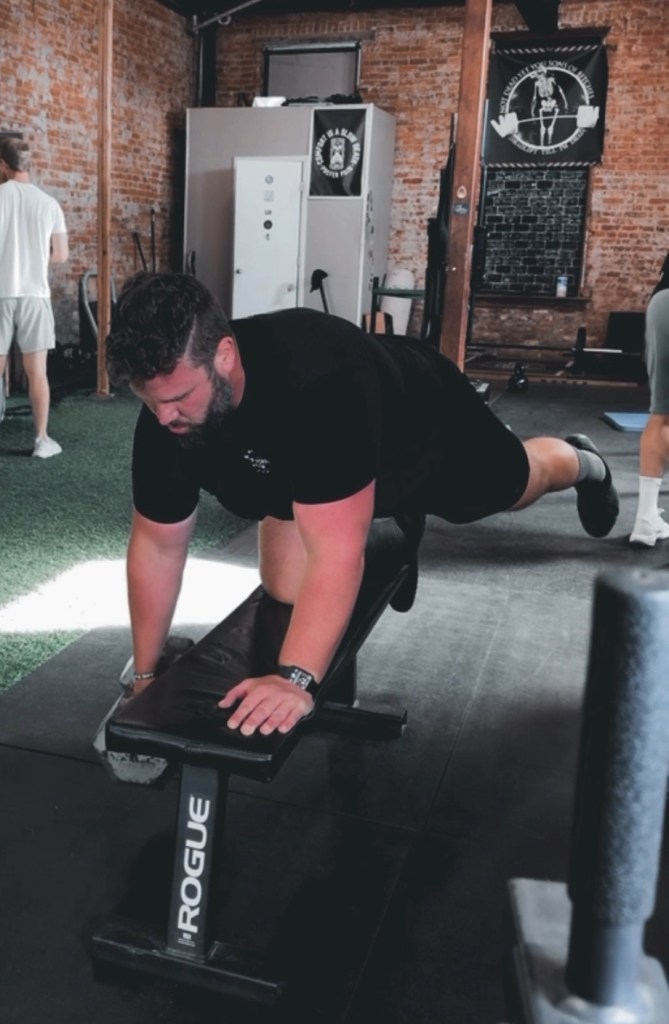
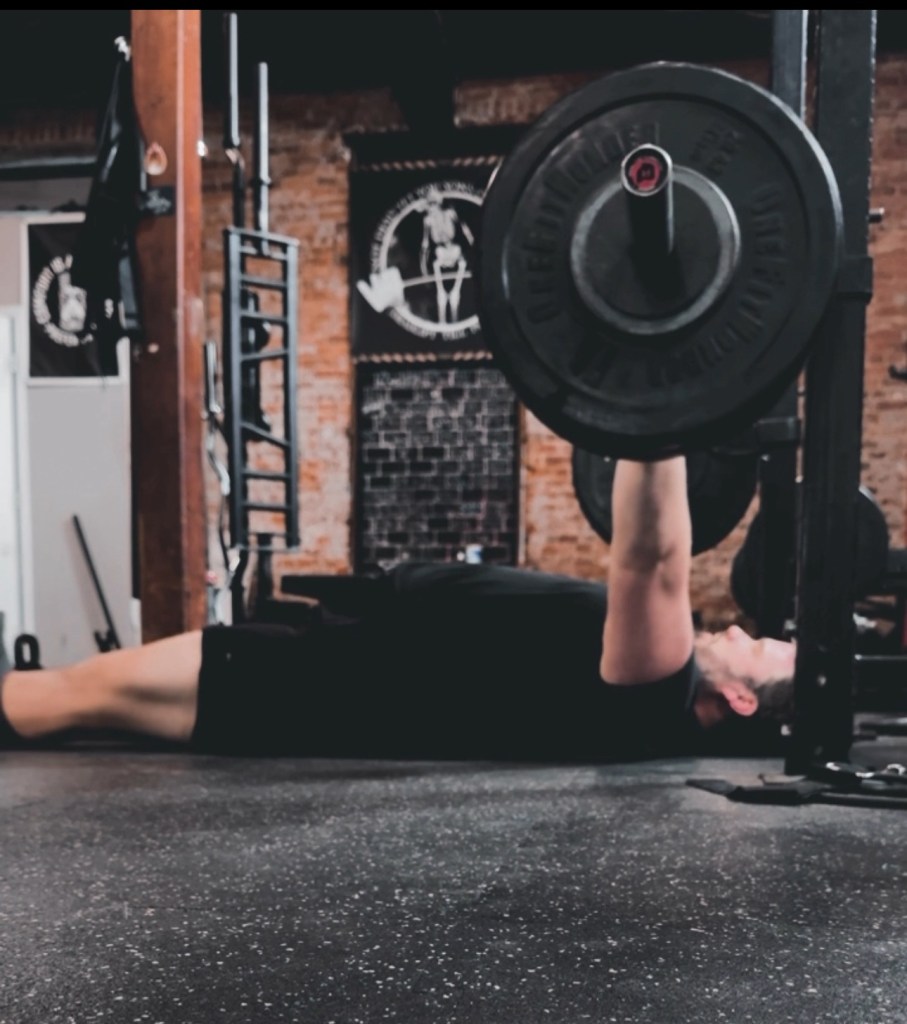
If it was easy, everyone would be doing it. But the truth is, getting strong takes time, effort, and perseverance. We’ve all been there – we start a new workout routine, full of enthusiasm and motivation, only to hit a plateau or encounter a setback.
But here’s the thing: getting strong isn’t just about physical transformation. It’s about mental toughness, discipline, and resilience. It’s about showing up every day, even when you don’t feel like it, and putting in the work.
Overcoming Obstacles and Staying Disciplined
So, how do you overcome the obstacles and stay disciplined on your health journey? Here are a few key takeaways:
• Expect setbacks and plateaus. They’re a natural part of the journey.
• Stay disciplined and consistent. Show up every day and put in the work.
• Focus on progress, not perfection. Celebrate small wins and don’t be too hard on yourself when you slip up.
• Find a community or accountability partner. Having someone to support and motivate you can make all the difference.
Remember, getting strong isn’t easy. But with the right mindset and support, you can overcome any obstacle and achieve your strength and health goals. Stay disciplined, stay consistent, and most importantly, stay committed to your journey.
Are you ready to take your STRENGTH journey to new heights? Achieving your first pull-up is a milestone worth celebrating, and with consistent practice and dedication, you can get there! In this article, we’ll break down the steps to help you achieve your first pull-up.
The Journey Begins
Step 1: Hang in There!
Spend more time on the bar, getting comfortable with your own weight. Hanging from the bar helps build grip strength, shoulder stability, and overall endurance.
Step 2: Groove the Scapular Retraction Drill
Retract and depress those shoulder blades, packing your shoulders for lift-off! This drill helps solidify proper shoulder positioning and engagement.
Step 3: Master the Negatives
Start at the top, slowly lower down, and own that deadhang! Negatives help build strength and control.
Grease the Groove
Prioritize pull-ups early in your workout and hit them frequently throughout the week. Consistency is key!
Benefits of Pull-Ups
Increased Strength
Pull-ups target multiple muscle groups, including lats, shoulders, and arms.
Improved Posture
Pull-ups help maintain proper spinal alignment and shoulder positioning.
Enhanced Athleticism
Pull-ups improve overall athleticism, boosting performance in various sports.
Tips for Success
Start Slow
Begin with shorter hangs and gradually increase time.
Focus on Form
Maintain proper posture and engagement throughout.
Achieving your first pull-up requires patience, persistence, and practice. Stay committed, and you’ll be pulling up in no time!
Join the Journey
Share your pull-up progress and connect with fellow STRENGTH enthusiasts!
In the season of soon to be New Year’s resolutions, achieving optimal health and strength can seem daunting. With the constant bombardment of unrealistic fitness goals and quick fixes, it’s easy to get caught up in the idea that only extreme dedication yields results. However, for the majority of people, this approach is not only unsustainable but also unnecessary. Enter the 80/20 lifestyle, a balanced approach to wellness that prioritizes consistency and sustainability over perfection.
The Pitfalls of Perfectionism
Professional athletes and bodybuilders require rigorous training and nutrition plans, but for the average person, this level of commitment is unrealistic. Attempting to follow such a regimen can lead to burnout, frustration, and ultimately, abandonment of healthy habits altogether. The 80/20 lifestyle recognizes that it’s unnecessary to be perfect; instead, focusing on making sustainable choices 80% of the time allows for flexibility and enjoyment.
Benefits of the 80/20 Lifestyle
Consistency
By aiming for 80% adherence to a strength and nutrition plan, individuals prioritize consistency over perfection. This approach allows for:
Long-term progress: Steady, incremental changes yield more significant results than sporadic bursts of intense effort.
Increased motivation: Celebrating small victories fosters a sense of accomplishment and encourages continued progress.
Sustainability
The 80/20 lifestyle acknowledges that life is unpredictable, and setbacks are inevitable. By building flexibility into your plan, you:
Avoid guilt and shame: Allowing for indulgences and setbacks reduces feelings of failure, promoting a healthier relationship with food and exercise.
Foster resilience: Learning to adapt to challenges ensures continued progress despite obstacles.
Nutrition
Applying the 80/20 principle to nutrition means:
Balanced eating: Focusing on whole foods, with room for indulgences, ensures essential nutrients are met.
Reduced stress: Eliminating the need for rigid adherence to a diet plan reduces anxiety and promotes enjoyment.
Strength Training
Incorporating strength training into your 80/20 lifestyle:
Improves overall health: Regular movement enhances cardiovascular health, increases strength and boosts mental well-being.
Enhances sustainability: Gradual progress and achievable goals maintain motivation.
Implementation
To incorporate the 80/20 lifestyle into your daily routine:
Set realistic goals: Aim for 80% adherence to your strength and nutrition plan.
Prioritize consistency: Focus on making sustainable choices.
Embrace flexibility: Allow for indulgences and setbacks.
Celebrate progress: Acknowledge small victories.
The 80/20 lifestyle offers a refreshing alternative to the all-or-nothing approach. By embracing consistency, sustainability and flexibility, individuals can achieve optimal health and wellness without sacrificing enjoyment. Ditch the pressure to be perfect and adopt the 80/20 lifestyle – your body and mind will thank you.
We often find ourselves chasing success, happiness, and fulfillment. However, in our pursuit of these goals, we may overlook the most essential element that underpins them all: strength. Strength is more than just physical power; it encompasses emotional resilience, mental toughness, and spiritual fortitude. In this blog, we’ll explore why strength is the foundation for a great life.
Physical Strength
Physical strength is the most apparent form of strength, and for good reason. Our bodies are capable of incredible feats when we prioritize strength training, sleep, and nutrition. Physical strength:
· Boosts confidence and self-esteem · Enhances mental clarity and focus · Improves overall health and well-being · Increases resilience to disease and injury
Emotional Strength
Emotional strength is just as vital as physical strength. It enables us to:
· Develop healthy relationships and boundaries · Manage stress and anxiety · Cultivate empathy and compassion · Build resilience in the face of adversity
Mental Strength
Mental strength is the backbone of our decision-making and problem-solving abilities. It allows us to:
· Stay focused and motivated · Overcome obstacles and setbacks · Develop a growth mindset · Make informed, thoughtful choices
Spiritual Strength
Spiritual strength connects us to our values, purpose, and something greater than ourselves. It:
· Provides guidance and direction · Fosters gratitude and appreciation · Cultivates mindfulness and presence · Inspires personal growth and transformation
Why Strength Matters
So, why is strength the foundation for a great life? Here are a few compelling reasons:
· Strength enables us to overcome obstacles and achieve our goals. · Strength builds resilience, allowing us to bounce back from setbacks. · Strength fosters confidence, empowering us to take risks and pursue our passions. · Strength inspires personal growth, leading to a more fulfilling and purpose-driven life.
Strength is the bedrock upon which a great life is built. By cultivating physical, emotional, mental, and spiritual strength, we lay the groundwork for a life marked by resilience, confidence, and purpose. So, prioritize strength training, nurture your emotional well-being, challenge your mind, and connect with your spirit. With strength as your foundation, the possibilities are endless.
Reflect on Your Strength
Take a moment to assess your strength in each area:
· Physical: Are you prioritizing strength training? · Emotional: Are you nurturing healthy relationships and managing stress? · Mental: Are you challenging yourself and staying focused? · Spiritual: Are you connected to your values and purpose?
Have you ever looked back on your life and wished you had started something sooner? Maybe it was lifting weights, launching a business, or investing in your future. Whatever the endeavor, the sentiment remains the same: “I wish I had started younger.” The truth is, today is the youngest you’ll ever be, and that’s a powerful realization.
The Power of Early Action
Starting young, whether in strength training, entrepreneurship, or investing, provides a significant head start. Here are a few reasons why:
Compound Interest
In strength and conditioning, consistent training yields exponential results. The earlier you begin, the more time your body has to adapt and grow.
Learning Curve
Starting a business or investing requires learning from mistakes. The sooner you start, the more opportunities you’ll have to refine your strategy.
Momentum
Early momentum builds confidence and propels you forward. In the gym, this means increased strength, power, and muscle. In business and investing, it translates to growing revenue and wealth.
Benefits of Starting Young
Physical Prime
Your body’s physical prime typically occurs in your 20s and 30s. Harnessing this energy can set you up for long-term health.
Financial Freedom
Investing early allows your wealth to grow exponentially, providing financial independence.
Mental Clarity
Entrepreneurship and self-improvement require mental resilience. Developing this early on equips you for life’s challenges.
No Regrets
So, what’s holding you back? Age is relative, and every day is an opportunity to start anew. Consider:
Take Small Steps
Break down daunting tasks into manageable chunks.
Seek Guidance
Find mentors or experts in your desired field.
Be Consistent
Commit to your goals and persevere.
Don’t let age discourage you. Today is the youngest you’ll ever be, and that’s a powerful catalyst for change. Whether lifting weights, launching a business, or investing in your future, remember:
Every Rep Counts
Every Dollar Invested Matters
Every Step Forward is Progress
Seize the day, and start building the life you desire.
Share Your Thoughts
How do you wish you had started sooner? Share your story in the comments!
Follow Us
Stay inspired with daily motivation and insights:
[frankdonleytraining.com] [frankdonleytraining] on Instagram
Setting the Tone for Success: How Your Attitude Shapes Your Week
As the famous saying goes, “Your attitude determines your altitude.” The way you approach a new week can significantly impact the outcome. If you go into a week with a poor attitude, you’ll likely find yourself facing a multitude of problems and challenges. Conversely, a positive attitude can transform your week into a productive and fulfilling experience.
The Self-Fulfilling Prophecy
When you start the week with a negative mindset, you’re essentially creating a self-fulfilling prophecy. You’re more likely to:
· Focus on obstacles rather than opportunities · Expect problems to arise · Attract negative energy and people · Make poor decisions
This mindset can become a vicious cycle, reinforcing your initial negative attitude.
Flip the Script
Instead, approach the week with an open and optimistic mindset. Focus on:
· Opportunities for growth and learning · Solutions rather than problems · Building positive relationships · Achieving your goals
By shifting your attitude, you’ll begin to attract positive experiences and people, creating a ripple effect of success.
The Power of Focus on Solutions
Your focus determines your reality. When you concentrate on problems, they tend to grow. Conversely, focusing on solutions expands your possibilities.
The Problem-Focused Mindset
A problem-focused mindset:
· Limits your creativity · Increases stress and anxiety · Distracts you from potential solutions · Reinforces negative thoughts
The Solution-Focused Mindset
A solution-focused mindset:
· Encourages creative problem-solving · Boosts confidence and motivation · Attracts supportive people and resources · Fosters resilience
Practical Tips for a Solution-Focused Week
Set clear, achievable goals
Practice gratitude daily
Reframe challenges as opportunities
Surround yourself with positivity
Take consistent action towards your objectives
Your attitude has the power to transform your week. Choose to focus on solutions, opportunities, and growth. By doing so, you’ll unlock a more productive, fulfilling, and successful week.
Share Your Thoughts!
How do you maintain a positive attitude? What strategies help you focus on solutions? Share your insights in the comments below!
In today’s social media-obsessed world, comparison has become a natural habit. We scroll through our feeds, seeing others’ successes, accomplishments, and highlight reels, and can’t help but measure ourselves against them. But when it comes to personal growth and progress, comparing ourselves to others can be a damaging and counterproductive game.
The most critical comparison we can make is not between ourselves and others, but between who we are today and who we were yesterday. This mindset shift allows us to focus on our own journey, celebrating small wins, and acknowledging significant strides.
The Problem with Comparing to Others
When we compare ourselves to others, we’re often looking at someone else’s year 10, 15, or 20, and matching it against our own year one. This unfair comparison leads to feelings of inadequacy, frustration, and discouragement. We forget that everyone’s path is unique, with its own set of challenges, successes, and failures.
Moreover, social media platforms showcase curated versions of others’ lives, hiding struggles and setbacks. We see only the tip of the iceberg, not the hard work, dedication, and resilience that went into achieving their goals.
Focus on Your Own Growth
Instead of comparing yourself to others, focus on your own growth. Celebrate:
· The progress you’ve made since last week, last month, or last year. · The skills you’ve developed and the knowledge you’ve acquired. · The challenges you’ve overcome and the obstacles you’ve navigated.
By focusing on your own journey, you’ll:
· Develop a more positive self-image. · Cultivate resilience and perseverance. · Set realistic goals and achieve them.
Embracing Progress, Not Perfection
Embracing the concept of comparing yourself to yesterday’s version requires patience, self-awareness, and kindness. Here are some strategies to help you shift your focus:
Keep a Journal: Track your progress, noting successes and setbacks.
Set Incremental Goals: Break down large objectives into smaller, achievable milestones.
Practice Self-Compassion: Treat yourself with patience, acknowledging that growth is a journey.
Seek Support: Surround yourself with people who encourage and support your progress.
Comparing yourself to others can be a damaging game, leading to feelings of inadequacy and frustration. Instead, focus on your own growth, celebrating progress, and acknowledging setbacks. Remember, the only person you should compare yourself to is the person you were yesterday.
By embracing this mindset, you’ll unlock:
· Greater self-awareness. · Increased motivation. · A more positive self-image.
So, let’s make a conscious effort to shift our focus inward, celebrating our unique journey and growth. You are more than enough, and your progress is worth acknowledging.
Share Your Thoughts!
How do you avoid comparing yourself to others? What strategies help you focus on your own growth? Share your insights in the comments below!
As we strive for physical health, it’s easy to overlook the profound impact movement has on our mental well-being. Wisdom is understanding that daily movement is as much about mental health as it is physical health. In this blog, we’ll explore the transformative power of exercise on our minds and provide practical tips to harness its benefits.
The Science Behind Exercise and Mental Health
Research reveals that regular physical activity:
· Reduces symptoms of anxiety and depression by 47% (Harvard Health Publishing) · Boosts mood and energy levels by releasing endorphins and dopamine · Enhances cognitive function, improving focus and concentration · Promotes better sleep quality, essential for mental restoration
Exercise’s impact on mental health extends beyond chemical responses. Physical activity:
· Provides a healthy distraction from stress and worry · Fosters social connections and community through group fitness · Builds self-confidence and self-esteem through achievement
Putting Movement into Action: Tips for Mental Wellness
To reap the mental health benefits of exercise, incorporate these habits into your daily routine:
Start small: Begin with 15-30 minute walks or training sessions.
Find your why: Identify activities that bring you joy, whether it is strength training, swimming, or hiking.
Schedule it: Treat movement as non-negotiable self-care.
Mix it up: Vary your routine to avoid plateaus and prevent overuse injuries.
Make it social: Join a community or find a workout buddy.
Real-Life Examples of Exercise’s Impact
Meet Sarah, who overcome anxiety through regular running:
“Running cleared my mind and helped me focus on the present. It’s now my go-to stress-relief strategy.”
Or John, who found confidence through weightlifting:
“Lifting weights made me realize I’m capable of more than I thought. It translates to other areas of my life, too.”
Exercise is a potent tool for mental wellness. By prioritizing daily movement, you’re investing in a stronger, healthier you – body and mind.
Additional Resources
· National Alliance on Mental Illness (NAMI): [link] · American Council on Exercise (ACE) Fitness: [link] · Mindful Movement Initiative: [link]
Call to Action
Share your favorite exercise routines and mental health tips in the comments below! Follow us for more fitness insights, mental health awareness, and inspiring transformations
As athletes and STRENGTH enthusiasts, we’re constantly seeking ways to optimize our performance, increase our strength, and enhance our endurance. While a well-structured training program and nutritious diet are essential, there’s another critical factor that often gets overlooked: sleep.
Sleep is the unsung hero of recovery, playing a vital role in adapting to training stimulus, repairing muscle tissue, and replenishing energy stores. Elite athletes understand the importance of prioritizing sleep, and it’s time for you to do the same.
The Science Behind Sleep and Recovery
When you sleep, your body:
· Repairs and rebuilds muscle tissue · Replenishes energy stores · Regulates hormones and inflammation · Enhances cognitive function and focus
Lack of sleep, on the other hand, can lead to:
· Decreased strength and performance · Increased risk of injury and illness · Impaired cognitive function and decision-making · Reduced adaptability to training stimulus
👉Prioritizing Sleep for Optimal Performance
To reap the benefits of sleep and recovery, follow these evidence-based tips:
Aim for 7-9 hours: Ensure you’re getting sufficient deep sleep each night.
Establish a bedtime routine: Wind down with relaxation techniques, such as reading or meditation.
Create a sleep-conducive environment: Keep your bedroom dark, quiet, and cool.
Avoid screens before bed: The blue light emitted can disrupt sleep patterns.
Consistency is key: Stick to a regular sleep schedule.
Real-World Examples of Athletes Prioritizing Sleep
Professional athletes like LeBron James, Tom Brady, and Serena Williams prioritize sleep as part of their training regimens. They understand that recovery is just as important as training.
Takeaway
Don’t sacrifice tomorrow’s gains for tonight’s Netflix binge. Invest in your recovery by prioritizing sleep. Wake up feeling refreshed, focused, and ready to crush your fitness goals.
Additional Resources
· National Sleep Foundation: [link] · American Academy of Sleep Medicine: [link] · Sleep and Athletic Performance: [research study link]
Call to Action
Share your sleep tips and strategies in the comments below! Follow us for more fitness insights, training advice, and motivation to help you reach your full potential.
When it comes to real training for strength, performance, and injury prevention, the posterior chain is one of the most overlooked aspects of strength and conditioning. This group of muscles—consisting of the hamstrings, glutes, lower back, and spinal erectors—serves as the powerhouse for movements that are essential not only for sports performance but for overall longevity and injury prevention.
If you’re looking to increase your athletic performance, bulletproof your body, and set yourself up for long-term health, prioritizing your posterior chain is essential. Let’s dive into why strengthening this muscle group is so important for anyone serious about fitness.
What Is the Posterior Chain?
The posterior chain refers to the muscles located on the backside of your body, from your neck down to your heels. These include:
Glutes (your body’s largest muscle group)
Hamstrings (the muscles running along the back of your thighs)
Lower back (spinal erectors, which help with posture and stability)
Calves (support balance and explosiveness)
Traps
Lats
Though not the most visible muscles in a mirror, the posterior chain is critical for performing daily movements such as lifting, walking, jumping, and running.
1. Build a Strong Foundation for Longevity
As we age, maintaining strength in the posterior chain is vital for keeping a healthy posture, avoiding back pain, and preserving mobility. Weak glutes and hamstrings often result in imbalances, leading to chronic pain and poor movement patterns. Strengthening these muscles promotes joint stability, improving the way your body moves and preventing wear and tear on joints, particularly in the knees and lower back.
When you focus on strengthening your posterior chain, you are investing in your future by safeguarding your body against common age-related issues like poor posture, reduced mobility, and injuries.
2. Unleash Explosive Power
Athletes across all disciplines—from football players to sprinters—rely heavily on the posterior chain for power and explosiveness. Movements like jumping, sprinting, and even throwing require a strong foundation. Movements that target the posterior chain, such as deadlifts variations Nordic hamstring curls, and kettlebell swings, translate directly into more explosive power on the field or court.
The stronger your posterior chain, the more power you’ll generate when you jumping, hitting top speed, or perform any dynamic movement. This is why elite athletes make posterior chain exercises a priority in their training routines.
3. Injury Prevention: Bulletproof Your Body
A strong posterior chain not only makes you more powerful but also helps protect you from injury. Whether you’re a recreational athlete or a weekend warrior, the lower back, hamstrings, and glutes are particularly prone to strains and tears if underdeveloped.
Improving strength and power in this chain creates more balanced movement patterns, reducing the risk of overloading weaker areas of the body. For instance, knee pain is often the result of weak hamstrings and glutes, which forces the quads to overcompensate.
By training the posterior chain, you create a solid foundation that stabilizes your body, protecting your joints and ligaments from undue stress.
4. Improved Athletic Performance
If you want to take your athletic performance to the next level, focusing on the posterior chain is non-negotiable. Whether you’re aiming for a faster sprint or a higher jump these muscles are responsible for generating the force needed to excel in virtually any sport.
For instance, in sports like soccer, basketball, or tennis, a strong posterior chain enables quick, powerful starts and efficient stopping, which are key for outmaneuvering opponents.
Athletes with well-developed posterior chains also tend to perform better in strength-based sports such as powerlifting, CrossFit, and even gymnastics. Their ability to transfer force from the ground up—due to strong hamstrings and glutes—provides a major advantage in lifting, jumping, and high-impact movements.
Key Exercises for Developing the Posterior Chain
Now that we’ve covered the benefits of training your posterior chain, let’s look at a few key movements that can help you build this crucial muscle group:
Deadlifts Variations: One of the best exercises for hitting the glutes, hamstrings, and lower back. Focus on maintaining proper form to avoid injury.
Nordic Hamstring Curl: Killer on the hammies, which play a central role in athletic power.
Romanian Deadlifts (RDLs): Targets the hamstrings and lower back, improving both flexibility and strength.
Kettlebell Swings: An excellent way to build explosive power in the hips and glutes.
Glute-Ham Raises: Targets both the glutes and hamstrings, essential for injury prevention and strength.
Back Extensions: Strengthens the lower back, contributing to better posture and injury resistance.
Conclusion
Building a strong posterior chain is one of the smartest investments you can make for your body. Whether you’re looking to extend your athletic career, improve your overall strength, or protect yourself from injury, focusing on these muscles is the key. You’ll experience better performance, greater resilience, and enhanced longevity in your fitness journey. So, next time you’re in the gym, don’t neglect your posterior chain—your future self will thank you!
Start prioritizing your posterior chain today, and experience the powerful benefits tomorrow.