Skip to content
  • Sports Performance and Private Training
  • Coach Bios
  • Blog
  • Contact
  • Shop
  • Sports Performance and Private Training
  • Coach Bios
  • Blog
  • Contact
  • Shop

CONTACT

3765 Old Philadelphia Pike
Bethlehem PA 18015
(717) 440-1856
Monday - Friday 6 a.m. - 8 p.m.
Saturday 6 a.m. - noon

FOLLOW

  • Facebook
  • Twitter
  • Instagram

GALLERY

DarrunHilliard
MattMowad
JWestAcceleration
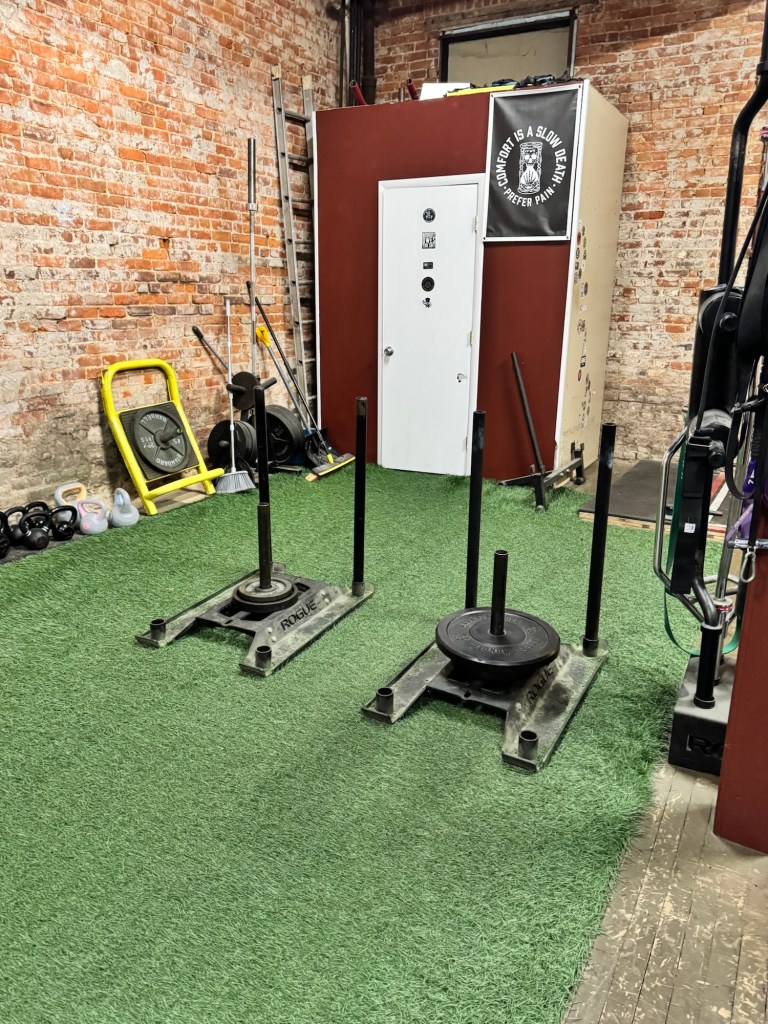
GatesSled
TrapsSquat
JWestCOD1
Yolk
TrapsPretzelJPG
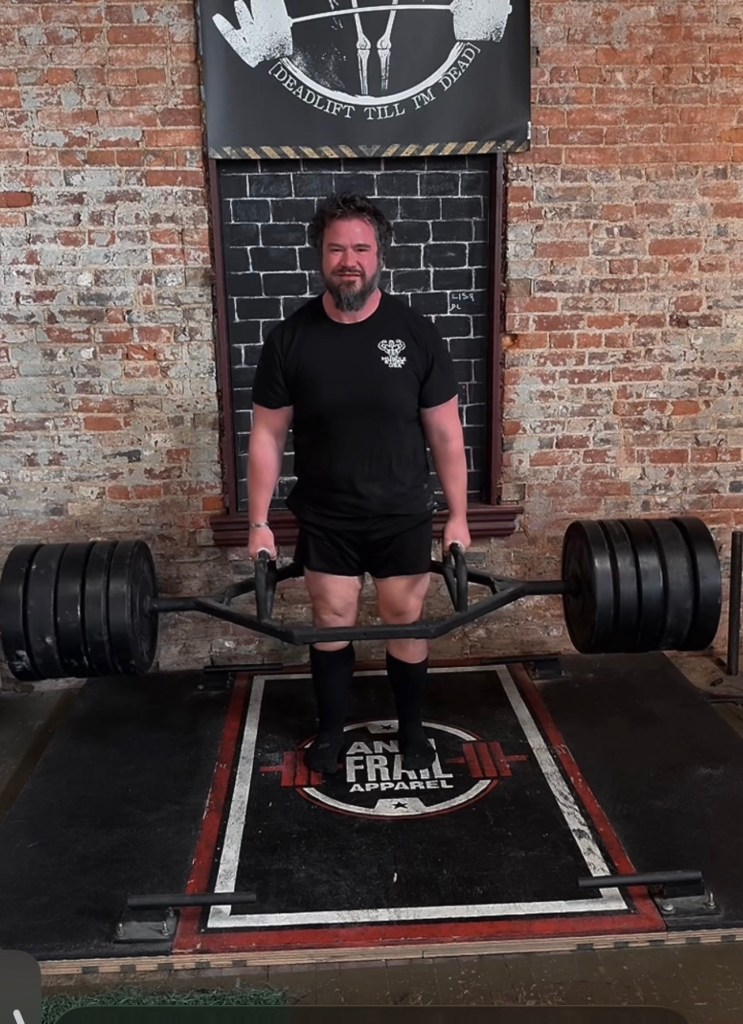
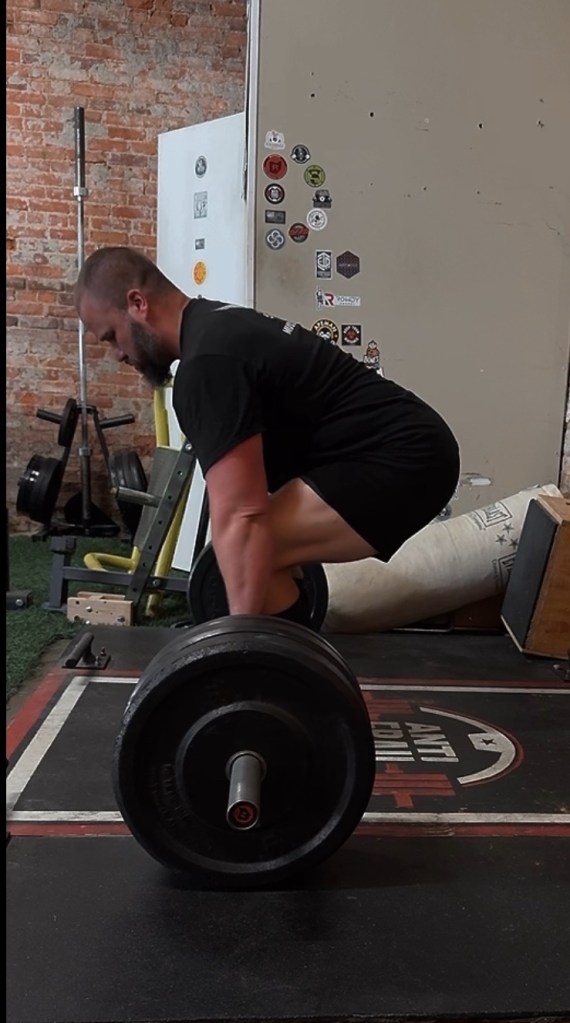
Deadlift
DudeckPlatePush
IMG_9767
GabeKarslo2
DarrunHilliardUnderwater
FilippoSquat
Flem
NickBeinlich
GabeKarslo
SpencerGross3
LVU2
  • strength training
  • health
  • Personal Growth
  • Uncategorized
  • Sports Performance and Private Training
  • Coach Bios
  • Blog
  • Contact
  • Shop
Sports Performance and Private Training

Sports Performance and Private Training

  • Sports Performance and Private Training
  • Coach Bios
  • Blog
  • Contact
  • Shop
  • health
  • Personal Growth
  • strength training

You Don’t Change Your Life by Changing Your Goals — You Change It by Changing Your Habits

Frank Donley Training's avatar Frank Donley Training October 29, 2025

Everyone wants to change their life — to get fitter, wealthier, calmer, or more fulfilled. So we set new goals: lose 20 pounds, save $10,000, start a business, read more books, or wake up earlier. But here’s the truth most people miss: your goals don’t change your life — your habits do.

Goals are about results. Habits are about the systems that produce those results.

You can set a goal to run a marathon, but if you don’t build the daily habit of running, lifting, stretching, and fueling properly, that goal is just wishful thinking.

The magic isn’t in the finish line — it’s in the miles you consistently show up for.

Goals Give Direction, Habits Create Movement

Goals are like a compass — they point you toward what matters. But they don’t move you forward. Habits are the engine that actually get you there.

Think about it: two people can set the same goal — let’s say both want to get in shape by summer. One relies purely on motivation and the idea of “wanting it.” The other builds small daily habits: morning walks, three strength workouts a week, prepping meals on Sunday.

After a few months, one person is frustrated that nothing’s changed, and the other is quietly transforming.

The difference isn’t ambition. It’s habitual execution.

Motivation fades. Inspiration fluctuates. But habits — the automatic behaviors we repeat day after day — keep working even when you don’t feel like it.

Small Habits, Big Shifts

The power of habits lies in their compound effect.

One small positive change repeated daily creates momentum that multiplies over time.

Reading ten pages a day becomes dozens of books in a year. Saving $10 a day becomes thousands in your account. Doing five minutes of stretching each morning becomes better posture and less pain.

At first, the progress feels invisible. But that’s how real change works — it’s slow, consistent, and often unnoticed until one day, everyone else sees what you’ve built.

James Clear, author of Atomic Habits, puts it perfectly: “You do not rise to the level of your goals. You fall to the level of your systems.” Your habits are your system. They decide your trajectory long before the results show up.

Why Changing Habits Feels Hard (But Is Worth It)

Your brain is wired for efficiency. It wants to conserve energy by sticking to what it already knows — even if those patterns don’t serve you anymore. That’s why it’s easier to dream about change than to act on it.

But the key isn’t to overhaul your life overnight. It’s to design your environment and routines so good habits are easier to do, and bad ones are harder to repeat.

Want to eat better? Keep healthy food visible and junk out of reach. Want to move more? Keep your gym bag in the car or next to the door. Want to grow mentally? Replace ten minutes of scrolling with a podcast or a chapter of a book.

When you align your surroundings with your intentions, your habits naturally follow — and your goals start to take care of themselves.

You Don’t Need Bigger Goals — You Need Better Systems

If you constantly find yourself setting new goals but feeling stuck, the problem isn’t your vision — it’s your structure.

A goal without a habit system is like a seed without soil. It might have potential, but it can’t grow.

So instead of asking:

“What do I want to achieve?”

Try asking:

“What small actions can I repeat daily that make that achievement inevitable?”

That shift changes everything.

The Real Transformation

When you change your habits, you’re not just changing what you do — you’re changing who you are.

You start to see yourself differently:

“I’m not trying to get fit — I’m the kind of person who trains regularly.” “I’m not trying to save money — I’m the kind of person who manages my finances.” “I’m not trying to be calm — I’m the kind of person who practices mindfulness.”

That identity shift is the foundation of lasting change. Because once you see yourself as someone who does the work, your actions align naturally.

Dream big. Set goals. Have vision. But don’t stop there.

The life you want won’t appear because you wrote it down on a vision board — it will appear because you built it, one habit at a time.

Success isn’t about sudden transformation. It’s about quiet consistency.

Change your habits, and your goals will follow.

Change your habits, and your life will never be the same.

Stay STRONG,

Coach Frank

  • health
  • strength training

Core Training is More Than Abs: Understanding Anti-Movement and True Stability

Frank Donley Training's avatar Frank Donley Training August 7, 2025

By Cory Woolf


When people hear “core training” they often think about abs and crunches. But the true role of your core is to protect—against injury and poor movement patterns. A strong core doesn’t just move; it resists movement when necessary. This is where anti-rotation, anti-extension, and anti-lateral flexion come in. These three key functions often get overlooked but are crucial for athleticism, longevity, and pain-free movement. Let’s break down these anti-movement patterns, why they matter, and how to train them progressively in the gym. 


​

Rethinking the Core: What It Actually Does


Your core is far more than just your abdominals. It includes deeper stabilizing muscles like the transverse abdominis and multifidus, your obliques, spinal erectors, the diaphragm, pelvic floor, and even the glutes and lats. Together, these muscles don’t simply help you move—they create a strong foundation for controlled, stable movement across the entire body. In almost every meaningful physical task, your core acts as a stabilizer, not mover. It braces during a squat, resists spinal extension during an overhead press, and controls rotational force during running, throwing, or swinging. 


When the core can’t do this job—when it collapses or compensates—injuries tend to follow. This is why training your core to resist movement is just as, if not more, important than training it to create movement. And this brings us to the concept of anti-movement training: anti-rotation, anti-extension, and anti-lateral flexion.


Anti-Rotation


Anti-rotation exercises are designed to help your body resist twisting or turning, especially when under load. Think about carrying a heavy dumbbell in one hand or pressing with a single arm—your torso wants to rotate, but your core must lock it down and stay centered.


A good place to start is the Pallof press, a simple cable or band exercise that challenges your ability to resist rotation as you press your arms straight out from your chest. From there, you can progress to more dynamic versions, such as the half-kneeling Paloff press, which adds lower body instability, or single-arm cable presses, which replicates real world force production while forcing the core to stabilize. For athletes or advanced lifters, landmine rotations and medicine ball catch and throws mimic explosive, sport specific demands while developing stability and reactivity through the trunk. 


Anti-Extension


Anti-extension training teaches you how to resist lumbar spine hyperextension—a common issue when people lack proper bracing during heavy lifts or overhead work. The lower back arching excessively during a deadlift, a press or even standing posture is often a sign that the core is not doing its job. 


A well-executed dead bug is one of the best starting points for this. It forces you to coordinate breath, bracing, and movement without letting your low back peel off the ground. From there, planks—especially the RKC variation—start to build full-body tension and longer-duration control. As you advance, ab wheel rollouts and body saws demand immense control through extended ranges of motion. All of these progressions reinforce the same principle: keep the spine neutral and resist any urge to let the rib cage flare or pelvis tilt. 


Anti-Lateral Flexion 


Anti-lateral flexion is all about resisting side bending, especially when there’s an uneven load pulling you off center. It’s a key function of the obliques, quadratus lumborum, and glute medius, and it plays a massive role in posture, gait, and loaded carries. 


The suitcase carry—walking while holding a kettlebell or dumbbell in one hand—is a simple but brutally effective way to train this. You’ll feel your core and hips working overtime to prevent collapse toward the weight. From there, side planks can be scaled in intensity with leg lifts, rows, or added load. More advanced variations like the single arm overhead carry or offset kettlebell front rack walk force the body to stay tall and braced while being pulled off center by challenging loads. These exercises build real world strength and reinforce postural integrity under dynamic conditions. 


The Why


Training your core to resist motion isn’t just about avoiding injury—though that’s a huge benefit. It’s also about improving force transfer, especially for those who lift heavy, sprint, rotate, or play contact sports. A stable core connects the hips and shoulders, allowing you to produce more power with less effort. It helps you maintain posture under fatigue. And perhaps most importantly, it makes your body more resilient—less prone to tweaks, breakdowns, and imbalances over time. 


Too often, core training gets reduced to reps of crunches or leg raises, which have their place. But those movements train the core primarily as a mover. While there is nothing wrong with them, they’re only a small part of the picture. The foundation of a strong, high-performing core is stability and that comes from mastering anti-movement. 


Final Thoughts


Think of your core not as your abs but as your center of control. When trained properly, it keeps you safe under load, efficient in movement, and powerful through every rep. Instead of asking your core to constantly bend, twist, or flex, teach it to resist. That’s where real strength lives. And it’s how you build a body that’s not just strong—but built to last.

  • Personal Growth
  • strength training

How Youth Strength Training Builds Confidence and Lifelong Self-Worth

Frank Donley Training's avatar Frank Donley Training July 10, 2025

In an age of instant gratification, academic stress, and constant comparison, building a strong sense of self-worth in young people is more important than ever. While team sports, arts, and academics all play a role in youth development, one of the most overlooked tools for building deep, lasting confidence is strength training.

When guided properly, strength training for youth is more than just physical development—it becomes a powerful platform for building character, emotional resilience, and the belief that they can face life’s challenges head-on. Whether it’s a teen athlete, a quiet student, or a child struggling with anxiety, the barbell can become a teacher, mentor, and motivator all in one.

Strength Training: The Confidence Catalyst

When a young person picks up a weight, they’re doing more than just lifting. They’re learning discipline, consistency, and what it feels like to push beyond limits. Each rep, each small increase in strength, gives them tangible proof that they are capable of change. This builds a sense of control—over their body, their choices, and eventually, their mindset.

Unlike team sports that sometimes favor natural talent, strength training rewards effort. You don’t have to be the tallest or the fastest. You just have to show up and work hard. That sense of earned accomplishment builds authentic confidence—confidence that says, “I did this. I can do more.”

Confidence That Shows Up Everywhere

In Sports:

Youth strength training improves athletic performance, yes—but more importantly, it teaches athletes to trust themselves. Stronger kids are less likely to be intimidated by competition, more likely to recover from failure, and more resilient under pressure. Whether it’s getting up after a fall or staying calm in a playoff game, that inner strength comes from the gym as much as the field.

In School:

Strength training helps improve focus, mental clarity, and self-regulation. It teaches patience—results don’t come overnight. This directly transfers into academic performance, where delayed gratification and consistent effort pay off. Plus, as self-confidence grows, students are more likely to speak up in class, take on leadership roles, or pursue challenging goals.

In Careers:

The traits built in the weight room—discipline, consistency, and resilience—are the same traits that drive success in the workforce. Young people who strength train often grow into adults who understand the value of showing up daily, doing hard things, and taking ownership of outcomes. They’ve learned that discomfort is part of growth, and that mindset makes them stand out.

In Family and Relationships:

Self-worth is the foundation of healthy relationships. Youth who feel good about themselves are less likely to seek validation from the wrong sources. They tend to communicate better, set healthy boundaries, and contribute positively to their families and communities. When young people believe in themselves, they treat others with greater respect and compassion.

More Than Muscle: Building the Inner Armor

Strength training doesn’t just build bodies—it builds belief. And that belief becomes a form of armor, helping young people face life’s inevitable challenges. Whether it’s bouncing back from a breakup, handling peer pressure, or applying for a dream college, the quiet confidence built under the barbell follows them into every arena of life.

And perhaps most importantly, strength training helps youth reframe their relationship with failure. A missed lift isn’t the end—it’s feedback. It’s fuel. Learning to try again, to refine technique, to not give up—this is the mindset that builds lifelong self-worth.

A Call to Action for Parents, Coaches, and Educators

If you’re in a position to guide youth—whether as a parent, coach, teacher, or mentor—consider how strength training can be a transformative tool. It doesn’t have to be extreme. Age-appropriate, supervised programs that focus on technique, consistency, and fun can create profound change—not just in how a young person moves, but in how they see themselves.

In a world that often tells youth they’re not enough, strength training gives them a powerful message: You are capable, you are strong, and you can shape your own future.

Let’s start building not just stronger kids—but more confident, grounded, and resilient adults. One rep at a time.

  • health
  • strength training

Training Rewires Your Brain, Not Just Your Body

Frank Donley Training's avatar Frank Donley Training July 2, 2025

When most people think of strength training, they picture the physical benefits: bigger muscles, more power, better mobility, improved posture, and increased functionality. While these are absolutely valid and important outcomes, there’s something far more profound happening under the surface that too often goes unnoticed—training is not just challenging your body, it’s rewiring your brain.

Yes, strength and movement practice literally changes the way your brain works. Neurologically. Emotionally. Cognitively. This isn’t just motivational fluff or some vague mind-body connection concept. This is backed by hard neuroscience. When you move with intention, especially under load, under tension, or in new patterns, you’re transforming how your brain perceives, processes, and interacts with the world.

Neuroplasticity: Your Brain is Malleable

At the core of this phenomenon is neuroplasticity—the brain’s ability to rewire itself in response to new experiences. Movement is one of the most powerful stimuli for this rewiring. Every rep, sprint, throw, or carry you perform sends a stream of information through your nervous system. Your brain receives this information and responds by adapting its wiring.

Let’s say you’re learning to squat properly. At first, it feels awkward. Your knees cave in, your back rounds, and you’re not sure where your weight should be. But your nervous system is taking notes. With each rep, neural circuits that govern balance, proprioception, muscle firing patterns, and joint stability are being adjusted. Eventually, with repetition and effort, you squat more smoothly. This isn’t just your body getting “stronger”—it’s your brain improving how it sends and receives signals.

Training Builds Emotional Resilience

The benefits of training aren’t limited to motor control. Movement—especially resistance training and high-intensity conditioning—triggers the release of brain-derived neurotrophic factor (BDNF), a protein that supports the growth of new neurons and the formation of new neural connections. Think of BDNF as Miracle-Gro for your brain.

BDNF plays a vital role in reducing anxiety, lifting mood, and sharpening cognitive function. It’s one reason people who train regularly often report better focus, more clarity, and greater emotional stability. You’re not just sweating out stress—you’re actively training your brain to handle stress better in the future.

The result? More grit. More patience. Less reactive behavior. The same mental toughness that helps you push through a tough set translates into your ability to have hard conversations, stay present in chaos, and bounce back after a rough day.

Motor Learning = Cognitive Learning

Here’s another overlooked fact: when you learn new movement patterns—like a Turkish get-up, a kettlebell clean, or an Olympic lift—you’re not just building physical skill, you’re training your working memory, focus, and problem-solving abilities. Motor learning and cognitive learning share neural real estate. The cerebellum, traditionally thought to just coordinate movement, is now known to play a major role in executive function.

So when you practice complex movements under physical strain, you’re doing brain training. That’s why movement complexity and progressive overload are crucial in any intelligent program. You’re not just making muscles work—you’re building a smarter, more adaptive nervous system.

Movement As Medicine—For the Mind

This is why training is such a powerful intervention for depression, ADHD, PTSD, and other mental health challenges. Structured physical activity changes brain chemistry, increases dopamine sensitivity, and improves neural efficiency.

And it doesn’t stop with lifting weights. Crawling patterns, loaded carries, unilateral movements, and balance work all light up the brain in unique ways. Training variety and movement exploration aren’t just for preventing boredom or injuries—they keep the brain actively engaged and continuously evolving.

Final Thoughts: Train for the Brain, Not Just the Biceps

You don’t have to be a neuroscientist to appreciate the fact that every movement you do in the gym is sending a signal to your brain. You are literally building a different nervous system when you train with intention. You’re crafting a brain that is more resilient, more adaptable, and more capable—not just in sport, but in life.

So the next time you pick up a barbell, do a heavy carry, or throw a med ball with full intent, know this: you’re not just transforming your body. You’re rewiring your mind.

Train hard. Move well. Think better.

Stay STRONG,

Coach Frank

  • health
  • strength training

Stop Chasing Soreness — Why It’s Not a Sign of a Good Workout

Frank Donley Training's avatar Frank Donley Training June 23, 2025

It’s a common belief in gym culture: If you’re not sore the next day, did you even work out?

Soreness is not bad and it is not the end all be all. Many of us associate soreness with progress. The ache in your muscles can feel like a badge of honor — proof that you pushed your body to its limits. But here’s the truth: muscle soreness is not a reliable indicator of an effective workout.

What is Muscle Soreness?

The technical term is Delayed Onset Muscle Soreness (DOMS). It typically kicks in 12–24 hours after a workout and can last up to 72 hours. DOMS tends to occur when:

You try a new movement You drastically increase intensity or volume You perform lots of eccentric (lengthening) movements

While it can indicate that you challenged your muscles in a new way, it doesn’t necessarily mean that muscle growth is happening or that the workout was productive.

Soreness is Not a Goal

Being sore doesn’t automatically mean your muscles are adapting. And not being sore doesn’t mean you didn’t make progress. In fact, some of the most effective training plans — especially those focused on longevity and sustainable growth — are designed to minimize excessive soreness so you can train consistently.

Take this example:

Person A does 75 pull-ups in one day. Their lats are so sore, they can’t do pull-ups again for a week. Person B does 25 pull-ups, 4 times a week. They feel slightly fatigued, but recover well and keep showing up.

By the end of the month, Person B has done 100 more pull-ups than Person A — and with far less recovery disruption.

The difference? Smart programming over ego lifting.

Focus on Progressive Overload

Instead of chasing soreness, chase progressive overload — gradually increasing weight, reps, sets, or time under tension. This approach:

Builds strength and muscle steadily Allows you to train frequently Reduces injury risk Supports long-term gains

The people who make the most progress are not the ones who go all-out once a week. They’re the ones who show up regularly, train smart, and give their body the chance to adapt over time.

Final Thought

I love mentally and physically challenging workouts but often overestimate what we can do in a day and underestimate what we can do in a year. Don’t let the desire for instant feedback (like soreness) derail your long-term progress. Trust the process, stay consistent, and stop chasing the burn.

Train smart. Stay consistent. Play the long game.

Stay STRONG,

Coach Frank

  • strength training

Why Every Athlete Needs an Offseason Program: Build the Base, Raise the Ceiling

Frank Donley Training's avatar Frank Donley Training June 16, 2025

When the season ends, the work doesn’t. In fact, the real development of an athlete often happens outside the spotlight—during the offseason. Summer provides a crucial window of time for athletes to step away from the rigors of competition and invest in the long-term traits that build elite performance.

An offseason strength and conditioning program is more than just lifting weights or running sprints. It’s a comprehensive approach to building strength, power, speed, agility, and lean muscle mass—what we call “body armor.” These traits not only improve athletic performance but also reduce the risk of injury and enhance recovery when injuries do occur.

If you’re serious about long-term development, this is where the foundation is laid—and where the future of your athletic career is shaped.

The Offseason Is the Time to Build, Not Just Maintain

During the competitive season, training is often limited to maintenance due to the high physical and mental demands of games, practices, and travel. There’s little time—or energy—for progressive development. That’s where the offseason becomes invaluable.

In the summer months, athletes have the time and freedom to follow a structured program designed specifically to improve key performance traits like:

Strength – The base of all athletic qualities, strength improves force production, balance, and overall resilience.

Power – The ability to apply strength quickly. Explosive power transfers directly to sprinting, jumping, throwing, and striking.

Speed – True speed is built in the offseason through targeted sprint mechanics, acceleration drills, and resisted sprints.

Change of Direction (Agility) – Quickness and the ability to decelerate and reaccelerate safely is critical in almost every sport.

Muscle Mass (“Body Armor”) – Lean muscle protects joints, absorbs contact, and improves both performance and durability.

These qualities don’t magically appear—they’re trained consistently, over time, in a systemized format.

Compounding Progress: Year-Over-Year Athletic Development

One of the most overlooked aspects of an offseason program is the long-term adaptation it creates. Athletic development should be cumulative, not random.

Each offseason builds on the last, with every training cycle layering on more physical capacity, motor control, and neurological efficiency. This compounding effect allows athletes to develop a higher training age, tolerate more advanced workloads, and raise their ceiling for sport-specific performance.

Skipping or neglecting structured offseason work leads to stagnation—or worse, regression. Consistent offseason training helps:

Correct imbalances and weaknesses Develop more robust movement patterns Build connective tissue strength and joint integrity Improve recovery capacity and work tolerance

The result? Athletes not only perform better, they stay healthier and are more prepared to handle the volume and intensity of a competitive season.

A Systemized Approach for Sustainable Gains

Random workouts will yield random results. An effective offseason program must be thoughtfully designed to progress over weeks, months, and years!. That means:

Phased training blocks (e.g., strength, power, speed, conditioning) Individualized adjustments based on sport, position, and injury history Recovery protocols built into the schedule Performance metrics to track growth and adaptation

This kind of systemized development doesn’t just prepare athletes for the next season—it prepares them for a long and successful career.

🤝The Offseason Isn’t a Break—It’s an Opportunity

Too many athletes view the offseason as a time to relax and recover. While rest is important, the smartest athletes understand that this is the time to get better. Summer is the window to train hard, move well, build capacity, and lay the groundwork for future success.

A well-structured strength and conditioning program is not a luxury—it’s a necessity. It protects the body, sharpens the mind, and creates a stronger, faster, more explosive version of the athlete.

If you want to perform at your best when it matters most, it starts now.

Build the base. Raise the ceiling. Own the offseason.

Stay STRONG and start today,

Coach Frank

  • health
  • Personal Growth
  • strength training

The 5 Truths About People Who Develop Strength

Frank Donley Training's avatar Frank Donley Training May 15, 2025

As we journey through life, we often find ourselves seeking strength in various forms – physical, mental, or emotional. Whether we’re aiming to build muscle, overcome obstacles, or simply become better versions of ourselves, there are certain principles that separate those who achieve strength from those who don’t. In this article, we’ll explore the 5 truths about people who develop strength, and how you can apply these principles to your own life.

Truth #1: Remain Big on the Basics, Stay Out of the Muck

People who develop strength understand the importance of focusing on the fundamentals. They prioritize the basics, whether it’s programming, proper form and technique in the gym, a balanced diet, or a consistent sleep schedule. By staying grounded in the basics, they’re able to build a strong foundation that supports their growth and progress. On the other hand, getting caught up in trendy fads or overcomplicating things can lead to stagnation and frustration. By keeping things simple and focusing on what truly matters, you’ll be better equipped to achieve your goals.

Truth #2: Consistency is King

Consistency is the backbone of strength development. It’s not about being perfect; it’s about showing up day in and day out, putting in the work, and making progress. People who develop strength understand that it’s a long-term process, and they’re willing to put in the time and effort required to see results.

Truth #3: Take Your Recovery Seriously

Recovery is just as important as training when it comes to developing strength. People who prioritize recovery understand that it’s during this time that their bodies repair and adapt, becoming stronger and more resilient. This includes getting enough sleep, adequate nutrition, and mitigating stress. By taking recovery seriously, you’ll be better equipped to handle the demands of training and make progress towards your goals.

Truth #4: Don’t Let Your Ego Get in the Way

A strong ego can be a major obstacle to developing strength. When we’re too proud to learn from others or adapt to new situations, we limit our potential for growth. People who develop strength maintain a “white belt mentality” – they’re always open to learning, always willing to adapt, and always humble. By keeping an open mind and being willing to learn from others, you’ll be better equipped to navigate challenges and achieve your goals.

Truth #5: Pursue Getting Slightly Better Each Day

The pursuit of perfection can be a recipe for disappointment and frustration. People who develop strength understand that it’s about progress, not perfection. They focus on getting slightly better each day, whether it’s increasing their strength, improving their technique, or enhancing their overall well-being. By focusing on progress and celebrating small victories, you’ll be more likely to stay motivated and achieve your goals.

In conclusion, developing strength is a journey that requires dedication, consistency, and a willingness to learn and adapt. By remaining big on the basics, prioritizing consistency and recovery, keeping an open mind, and focusing on progress, you’ll be well on your way to achieving your goals and becoming a stronger, more resilient version of yourself.

Apply these 5 truths to your life today and start building the strength you need to achieve your goals.

Stay STRONG,

Coach Frank

  • health
  • Personal Growth
  • strength training

*Beyond the Hurt: How Your Mindset and Words Can Shape Your Recovery*

Frank Donley Training's avatar Frank Donley Training May 12, 2025

The words we choose to use, whether to ourselves or others, hold immense power. They can uplift and inspire or bring us down and limit our potential. When faced with challenges like injury, it’s crucial to be mindful of the narrative we create or sow around our experiences. The stories we hear and tell ourselves as well as others can either empower us to overcome obstacles or hold us back from reaching our full potential.

*The Impact of Negative Self-Talk*

When we suffer an injury, it’s natural to feel frustrated, disappointed, or even defeated. However, the way we talk to ourselves about our injury can significantly impact our recovery. If we tell ourselves, “I’ll never be the same,” “This injury will ruin my life,” or “I’ll never fully recover,” we risk creating a self-fulfilling prophecy. These negative thoughts can limit our potential, hinder our progress, and even affect our physical healing process.

*The Power of Positive Beliefs*

On the other hand, if we choose to focus on positive, empowering beliefs, we can harness the power of our mindset to aid in our recovery. By telling ourselves, “I am capable of healing,” “I will become stronger and more resilient,” and “I will overcome this challenge,” we can create a narrative that supports our growth and progress. This positive mindset can help us stay motivated, focused, and committed to our recovery plan.

*Creating a Plan for Progress*

So, how can we harness the power of positive beliefs to aid in our recovery? Here are a few strategies to get you started:

1. *Stay positive*: Focus on the good things about your life, your body, and your recovery.

2. *Create a plan*: Break down your recovery into manageable goals and milestones.

3. *Stay diligent*: Stick to your plan, even when it gets tough.

4. *Celebrate progress*: Acknowledge and celebrate each small victory along the way.

*The Power of Belief*

If you believe you are going to heal, you will. If you believe an injury is going to limit you forever, it will. Your beliefs have the power to shape your reality. By choosing to focus on positive, empowering beliefs, you can overcome even the most daunting challenges. Your words have power – use them to uplift and inspire yourself and others.

*Healing and Growth*

Injury may be a tough pill to swallow, but it’s not a permanent state. Healing is possible, and with the right mindset, you can overcome anything that comes your way. By being mindful of your words and choosing to focus on positive, empowering beliefs, you can create a narrative that supports your growth and progress. Stay positive, create a plan, stay diligent, and watch yourself heal, grow, and become stronger than ever before.

Stay STRONG,

Coach Frank

  • health
  • Personal Growth
  • strength training

The Power of Reframing: From “Why Is This Happening to Me?” to “What Is This Teaching Me?”

Frank Donley Training's avatar Frank Donley Training March 29, 2025

We all face challenges in the gym and in life—plateaus, injuries, setbacks, self-doubt. In these moments, it’s easy to slip into a victim mindset, asking, “Why is this happening to me?” But what if we reframed the question? What if, instead, we asked, “What is this teaching me?”

This simple shift in perspective can be a game-changer. It transforms adversity from something that happens to us into something that happens for us. Instead of feeling powerless, we gain agency. Instead of frustration, we find opportunity. This mindset pivot isn’t just about getting stronger in the gym—it’s about getting stronger in life.

The Gym as a Testing Ground

The gym is a controlled environment where we face adversity on a daily basis. The weight doesn’t care how tired you are, how bad your day was, or whether you feel like showing up. Some days, the bar moves easily. Other days, it feels like it’s glued to the floor.

If your mindset is stuck on “Why am I struggling today?” it’s easy to feel defeated. But when you shift to “What is this teaching me?” you start looking for lessons:

• A tough workout teaches patience. Progress isn’t always linear, but consistency pays off.

• A strength plateau teaches strategy. Maybe it’s time to adjust programming, recovery, or nutrition.

• An injury teaches resilience. It forces us to focus on mobility, form, and long-term health.

Every challenge in the gym has the potential to make us better, but only if we’re willing to look for the lesson.

Applying This Mindset to Life

The real magic happens when you take this mindset outside the gym. Life throws curveballs just like training does—unexpected hardships, failures, and moments of doubt.

• Did you lose a job opportunity? Instead of asking, “Why me?” ask, “What can I learn from this?” Maybe it’s a chance to refine your skills, explore a new path, or build resilience.

• Did a personal setback knock you down? Rather than seeing it as unfair, see it as a teacher. What wisdom can you take forward?

• Are you struggling with motivation? Instead of feeling stuck, ask what this phase is revealing about your habits, mindset, and environment.

Growth happens when we stop seeing obstacles as roadblocks and start viewing them as lessons. Every struggle carries wisdom—if we’re willing to listen.

The Challenge: Reframe Your Next Struggle

The next time you hit a wall—whether in the gym or in life—catch yourself before frustration takes over. Pause. Then, instead of asking, “Why is this happening to me?” deliberately shift to “What is this teaching me?”

This small shift has the power to change everything. It turns struggle into strength, frustration into wisdom, and setbacks into stepping stones. And over time, it builds not just a stronger body, but a stronger mind.

Try it. Your future self—both in and out of the gym—will thank you.

  • health
  • strength training

The Sled Push: Why Everyone Should Be Doing It

Frank Donley Training's avatar Frank Donley Training March 18, 2025

By Cory Woolf


​When you think of sled pushes, your mind might immediately go to elite athletes, CrossFitters or bodybuilders. The grueling push down the gym floor, heart racing, muscles burning, sweat pouring—it’s hard to ignore that sled pushes look like something reserved for the hardcore. The truth is sled pushes aren’t just for these people—they can be for everyone. Whether you’re a fitness newbie or an experienced gym goer, the sled push is a powerful tool that can provide major benefits for your strength, conditioning, and overall health. So why should everyone incorporate sled pushes into their routine? Let’s break it down.

Unilateral Strength Development

One of the key benefits of sled pushes is that they are inherently unilateral, meaning they work one side of the body at a time. While you’re pushing the sled, your body requires a great deal of stabilization while pushing off one leg at a time. This movement pattern helps develop unilateral strength, training each leg independently. Unilateral exercises are incredibly valuable because they help address imbalances between sides, which often go unnoticed during exercises like deadlifts and squats. With sleds, each leg must push the sled forward, and the body works to maintain stability and balance. Over time, this helps improve coordination, strength, and symmetry between both sides of your body. 

Strength and Hypertrophy Gains

​Sled pushes can be used to build both strength and hypertrophy, depending on how you program them. For strength, increase the sled’s weight and perform shorter distance pushes with more intensity. This challenges your muscles to work at maximal effort, helping to increase lower-body strength, particularly in the glutes, quads, and hamstrings. Conversely, for hypertrophy, lighter weights and longer distance leads to greater time under tension, triggering muscle growth and endurance. The versatility of sled pushes allows for a wide range of training outcomes. Whether your goal is to get stronger or build muscle, sled pushes can be incorporated into strength training or hypertrophy programs, offering a dynamic way to target multiple fitness objectives at once. 

Low-Impact Exercise & Injury Prevention

​One major advantage of sled pushes is that they place minimal strain on your joints compared to traditional lifts like your squats and deadlifts. This makes them an excellent option for those concerned about joint health, or for anyone with a history of low back or knee injuries. Sled pushes offer a low-impact workout that still targets key muscle groups. They help strengthen muscles around the hips, knees, and ankles, improving lower-body stability and reducing the risk of injury, or reinjury in the case of pre-existing conditions. 

Cardiovascular Conditioning 

​Sled pushes offer a great cardiovascular workout, challenging both your heart and lungs simultaneously building muscle. Whether you’re pushing heavy weight for short distance or lighter loads for longer distances, sled pushes improve aerobic capacity and endurance. The combination of strength and conditioning also makes them effective for fat loss, as they increase calorie expenditure and boosts overall fitness. 

Functional Training for Everyday Life

​The sled push is a functional movement that mimics real-life actions like walking, running, and pushing or moving objects, making it ideal for improving functional strength. By engaging key muscle groups, including the core, glutes, and legs, sled pushes enhance mobility and make daily tasks easier, such as moving furniture around or doing yard work outside. This makes it a valuable exercise for people looking to improve their ability to perform day-to-day activities with less effort. 

Full-Body Activation 

​Though primarily a lower-body exercise, sled pushes engage nearly every muscle group in the body. As your legs drive the sled, your core works to stabilize your body, and your upper body helps maintain control and balance whilst pushing. This full-body engagement makes sled pushes an efficient exercise for building strength and improving overall body conditioning, all in a short period of time. 

Time Efficiency

​Sled pushes are an incredibly time-efficient way to get a full-body workout. They combine strength, conditioning, and endurance into one powerful exercise, making them perfect for anyone with limited time in the gym. The ability to adjust weight and intensity also makes sled pushes versatile for different foals, allowing you to achieve a comprehensive workout in a fraction of the time. 

Why Sled Pushes So Challenging?

​Sled pushes are incredibly challenging because they engage multiple muscle groups simultaneously while demanding both strength and endurance. The constant pushing against the resistance forces your legs to work hard, while your core stabilizes your body, and your upper body helps maintain balance. The full-body engagement, combined with the high intensity of the exercise, forces your cardiovascular system to work overtime. Additionally, the low-impact nature of the movement doesn’t give you much of a break, making it a brutal yet effective way to build power, speed, and stamina. This combination of strength, stability, and conditioning makes sled pushes a tough but rewarding workout.  

Final Thoughts

​Sled pushes are a dynamic, full-body exercise that can enhance strength, muscle growth, cardiovascular fitness, and injury prevention. Whether you’re focused on improving athletic performance or simply getting stronger and more functional in daily life, sled pushes are an effective and time-efficient addition to any fitness routine. Next time you hit the gym, give the sled a try—you’ll be surprised at how much it can transform your fitness journey.

Posts pagination

1 2 … 11 Next
Blog at WordPress.com.
Sports Performance and Private Training
Blog at WordPress.com.
  • Subscribe Subscribed
    • Sports Performance and Private Training
    • Join 45 other subscribers
    • Already have a WordPress.com account? Log in now.
    • Sports Performance and Private Training
    • Subscribe Subscribed
    • Sign up
    • Log in
    • Report this content
    • View site in Reader
    • Manage subscriptions
    • Collapse this bar
 

Loading Comments...