Skip to content
  • Sports Performance and Private Training
  • Coach Bios
  • Blog
  • Contact
  • Shop
  • Sports Performance and Private Training
  • Coach Bios
  • Blog
  • Contact
  • Shop

CONTACT

3765 Old Philadelphia Pike
Bethlehem PA 18015
(717) 440-1856
Monday - Friday 6 a.m. - 8 p.m.
Saturday 6 a.m. - noon

FOLLOW

  • Facebook
  • Twitter
  • Instagram

GALLERY

DarrunHilliard
MattMowad
JWestAcceleration
GatesSled
TrapsSquat
JWestCOD1
Yolk
TrapsPretzelJPG
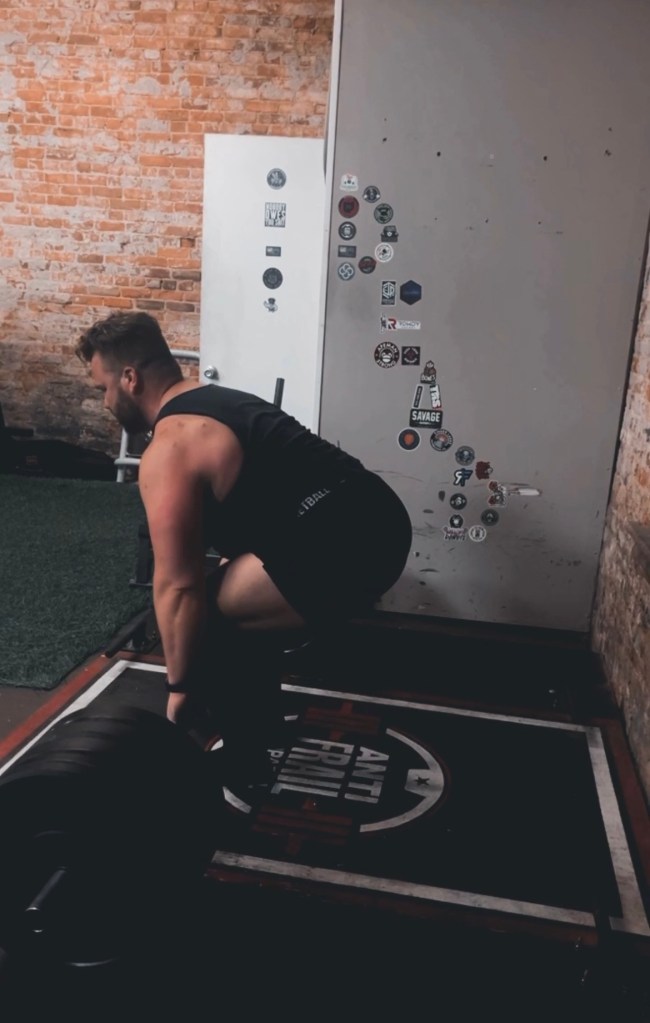
Deadlift
DudeckPlatePush
IMG_9767
GabeKarslo2
DarrunHilliardUnderwater
FilippoSquat
Flem
NickBeinlich
GabeKarslo
SpencerGross3
LVU2
  • strength training
  • health
  • Personal Growth
  • Uncategorized
  • Sports Performance and Private Training
  • Coach Bios
  • Blog
  • Contact
  • Shop
Sports Performance and Private Training

Sports Performance and Private Training

  • Sports Performance and Private Training
  • Coach Bios
  • Blog
  • Contact
  • Shop
  • health
  • Personal Growth
  • strength training

The Myth of Training Harder: Unraveling the Importance of Lifestyle Factors in Your Strength Journey

Frank Donley Training's avatar Frank Donley Training July 26, 2023

We’ve all heard the saying, “Train harder, achieve more.” However, when it comes to strength training and well-being, it’s crucial to understand that training harder might not be the ultimate solution to reaching your goals. More often than not, lifestyle factors play a pivotal role in determining your success in the fitness realm. In this blog, we’ll delve into the importance of sleep, meal planning, work-life balance, and stress management, and how these factors impact your body’s ability to recover and adapt to training.

  1. The Power of Sleep:

One of the most overlooked aspects of fitness is sleep. How many hours of sleep are you getting each night? This question is vital because sleep is when your body repairs and rejuvenates itself. During deep sleep, the body releases growth hormones that help with muscle repair and recovery. Additionally, lack of sleep can lead to increased stress, poor decision-making, and diminished cognitive function, all of which can hinder your strength and conditioning progress.

  1. The Significance of Meal Planning:

What sort of meal plan are you following? Your diet directly affects your energy levels, muscle recovery, and overall performance. If you’re not fueling your body with the right nutrients, you may find yourself struggling to push through workouts and recover adequately. Proper meal planning ensures that you’re giving your body the right combination of proteins, carbohydrates, and fats to support your strength goals.

  1. The Impact of Stress and Long Work Hours:

Do you work long hours and experience high levels of stress? These lifestyle factors can significantly impact your fitness journey. Stress triggers the release of cortisol, a hormone that can lead to muscle breakdown and hinder fat loss. Balancing work commitments and managing stress through relaxation techniques like meditation or breathing exercises is essential for optimal fitness progress.

  1. Your Body’s Energy Allocation:

Your body has a limited amount of energy it can produce, and it makes choices about where to spend it. During intense workouts, your body prioritizes survival over body composition and performance improvements. If you’re constantly pushing yourself to the limit without considering other lifestyle factors, you may find diminishing returns in your training efforts.

  1. Survival vs. Improvement:

Your brain will always prioritize survival over improving body composition and performance. When your body is under excessive stress due to overtraining or lack of recovery, it perceives these stressors as potential threats to survival. Consequently, your body conserves energy and resources, making it difficult to see the desired fitness results.

Training harder is not always the key to achieving your fitness goals. Understanding and addressing lifestyle factors such as sleep, meal planning, work-life balance, and stress management are equally critical in determining your success. Remember that your body needs time to recover and adapt to training stress. If you’re not seeing the results you desire, take a step back and evaluate your lifestyle choices during the hours you’re not training. By creating a holistic approach to your strength and conditioning journey, you’ll pave the way for long-lasting and sustainable results.

  • health
  • Personal Growth
  • strength training

Simplify Your Path to Success: Embrace Discipline in Small Daily Actions

Frank Donley Training's avatar Frank Donley Training July 24, 2023

In a world filled with information overload and endless choices, it’s easy to get caught up in overcomplicating our journey to success and well-being. We often find ourselves overwhelmed by complex strategies and grand plans, only to be left discouraged when we can’t sustain them. However, the key to achieving lasting positive change lies in simplicity and consistency. In this blog, we’ll explore the power of embracing discipline in small daily actions, specifically focusing on strength training, walking, eating healthier food, and prioritizing sleep. By making these simple practices a part of your routine over a long period of time, you’ll be amazed at the transformational impact they can have on your life.

1. Strength Training: Building Resilience Inside Out

Strength training is not just about building muscles and losing body fat; it’s about cultivating resilience from the inside out. By incorporating regular strength training sessions into your weekly routine, you are not only improving your physical strength but also enhancing mental toughness and self-discipline. Start small and gradually increase the intensity of your workouts as you progress. Consistency is key here, so set achievable goals and celebrate every milestone along the way. Over time, you’ll notice increased energy levels, improved posture, and a newfound sense of confidence that will spill over into other areas of your life.

2. The Beauty of Walking: A Step Towards Health

While it may seem like a simple and often overlooked activity, walking is a powerful tool for improving overall health and well-being. Whether it’s a leisurely stroll in the park or an intentional walking routine, the benefits are immense. Walking not only boosts cardiovascular health, but it also clears the mind, reduces stress, and enhances creativity. Try incorporating short walks throughout your day, whether it’s during your lunch break or after dinner. This daily practice of mindful movement will not only contribute to physical fitness but also nurture a positive mindset and help you stay grounded.

3. Eating Healthier: Nourishing Your Body and Mind

Healthy eating is not about depriving yourself or adhering to strict diets; it’s about nourishing your body and mind with the right nutrients. Instead of aiming for drastic changes, focus on making small, sustainable improvements to your diet. Start by adding reducing more processed food intake and staying hydrated. Over time, you’ll notice increased energy levels, improved digestion, and better overall health. Remember, it’s about progress, not perfection, so be kind to yourself throughout this journey.

4. Prioritize Sleep: Unleashing the Power of Rest

In our fast-paced society, sleep is often undervalued and sacrificed in the pursuit of success. However, quality sleep is the foundation of a healthy and productive life. Create a bedtime routine that promotes relaxation, such as reading a book, practicing mindfulness, or listening to calming music. Ensure you get enough hours of sleep each night to wake up feeling refreshed and ready to tackle the day ahead. As you prioritize sleep and establish a consistent sleep schedule, you’ll experience improved cognitive function, enhanced mood, and a strengthened immune system.

In a world where complexity and instant gratification reign, it’s essential to remember the power of simplicity and discipline in achieving long-term success and well-being. By incorporating small, manageable actions into your daily routine such as strength training, walking, eating healthier, and prioritizing sleep, you’ll create a solid foundation for positive change. Embrace the journey and celebrate each step, no matter how small, because it is in these seemingly insignificant actions that true transformation lies. So, start today, stay consistent, and watch as good things happen over time! Remember, the journey is as important as the destination.

Follow to stay up to date with my latest blogs and check me out on @frankdonleytraining on Instagram to see more strength training tips and movement breakdowns!

  • health
  • Personal Growth
  • strength training

Embrace the Present: How Physical Activities Empower You to Rise Above Negativity

Frank Donley Training's avatar Frank Donley Training July 16, 2023

In the fast-paced and technology-driven world we live in, it’s easy to become overwhelmed and consumed by the constant barrage of negativity from the news and social media. The never-ending stream of sensationalism, conflicts, and divisive opinions can take a toll on our mental well-being, leaving us feeling drained and disconnected from the present moment. However, amidst the chaos, there lies a powerful remedy to reclaim our sense of presence and contentment – engaging in physically challenging activities. In this blog, we’ll explore how strength training, hiking, yoga, and other demanding endeavors act as conduits to pull ourselves out of the muck of negativity and connect with the present.

Strength Training: Building Resilience and Mental Clarity

When you step into the weight room, it becomes a sanctuary of self-improvement and empowerment. Strength training challenges you physically, pushing your limits, and building resilience. As you lift weights, your focus shifts from external disturbances to the inner strength required to complete each repetition. With your mind fully absorbed in the task at hand, negative thoughts and distractions fade away, leaving room for clarity and mindfulness. The intensity of the workout forces you to be present in the moment, appreciating the strength and determination surging within you. After a tough session, you emerge not only physically stronger but mentally revitalized, ready to face the world with a renewed sense of purpose.

Hiking: Nature’s Therapy for the Soul

Stepping into nature through hiking can be a soul-stirring experience. The serenity of the wilderness, the gentle rustle of leaves, and the rhythmic sound of your footsteps create an environment that encourages mindfulness. Hiking demands your full attention as you navigate challenging terrain, and in doing so, it becomes a meditative practice. The worries and anxieties that accompany the digital world dissipate as you immerse yourself in the beauty of the natural world. The sights, sounds, and scents of the outdoors anchor you firmly in the present, liberating you from the clutches of negativity. The mental clarity gained from hiking enables you to appreciate the simple joys and cultivate a sense of contentment that persists long after the journey ends.

Yoga: Uniting Mind, Body, and Spirit

Yoga, an ancient practice, has been revered for its ability to unite the mind, body, and spirit. In a time when distractions abound, yoga acts as a refuge where you can delve deep into your consciousness. The flowing postures and intentional breathing synchronize to create a harmonious rhythm, and the emphasis on being present in each pose transforms the practice into a moving meditation. By letting go of external worries and focusing on your breath and movements, you gain a heightened sense of awareness and a profound connection with the present moment. Yoga teaches us to accept ourselves as we are, fostering a mindset of gratitude and self-compassion, qualities that help counteract the negativity rampant in the world.

In a world bombarded with negativity from all sides, it’s essential to seek refuge in activities that anchor us in the present. Strength training, hiking, yoga, and other physically challenging pursuits offer not only physical benefits but also profound mental and emotional rewards. They serve as powerful antidotes to the overwhelming negativity surrounding us, enabling us to reconnect with ourselves and cultivate a sense of contentment. So, let us embrace these activities, as they hold the key to staying present in an increasingly chaotic world and remind us of the joy that comes with embracing the here and now.

  • health
  • Personal Growth

Just Breath : Harness the Power of Breath Work Exercises to Combat Anxiety and Cultivate Present Moment Awareness

Frank Donley Training's avatar Frank Donley Training July 6, 2023

In our fast-paced and demanding modern world, it’s no surprise that anxiety levels are on the rise. Thankfully, there are natural and effective techniques we can employ to manage anxiety and promote a greater sense of presence. One such practice is breath work exercises, which have been utilized for centuries across various cultures.

In this blog, we will explore why breath work exercises are so beneficial for anxiety and being present, and provide instructions for three powerful techniques: box breathing, nostril breathing, and 4-7-8 breathing.

The Connection between Breath and Anxiety: Breathing is a vital function that goes beyond mere oxygen intake. It also plays a significant role in regulating our nervous system, particularly the sympathetic (fight-or-flight) and parasympathetic (rest-and-digest) branches. When we’re anxious, our sympathetic nervous system becomes overactive, leading to increased heart rate, shallow breathing, and a heightened sense of alertness. Breath work exercises help us tap into the parasympathetic nervous system, inducing a state of calm and relaxation, thus countering anxiety’s grip.

Box Breathing: Finding Equilibrium: Box breathing, also known as square breathing, is a simple technique that helps restore balance and focus.

Here’s how to do it:

a. Sit comfortably with your back straight and shoulders relaxed.

b. Inhale slowly through your nose for a count of four.

c. Hold your breath for a count of four.

d. Exhale slowly through your nose for a count of four.

e. Hold your breath out for a count of four.

f. Repeat the cycle for several minutes or until you feel a sense of calm.

Box breathing is an excellent practice to incorporate when you find yourself overwhelmed, before stressful situations, or when you need to regain clarity and concentration.

Nostril Breathing: Balancing Energy: Nostril breathing, also known as alternate nostril breathing, helps synchronize the left and right hemispheres of the brain, promoting mental clarity and emotional balance.

Here’s how to practice it:

a. Sit comfortably with your back straight.

b. Close your right nostril with your right thumb and inhale slowly through your left nostril.

c. Close your left nostril with your ring finger, release your right nostril, and exhale slowly through your right nostril.

d. Inhale through your right nostril.

e. Close your right nostril and exhale through your left nostril.

f. Repeat this cycle, alternating nostrils for several minutes.

Nostril breathing can be practiced daily to enhance focus, reduce anxiety, and cultivate a sense of balance.

4-7-8 Breathing: Deep Relaxation: The 4-7-8 breathing technique, developed by Dr. Andrew Weil, is renowned for inducing a deep state of relaxation and reducing anxiety.

Follow these steps:

a. Find a comfortable seated position, close your eyes, and relax your body.

b. Take a deep breath in through your nose to a count of four.

c. Hold your breath for a count of seven.

d. Exhale forcefully through your mouth, making a “whoosh” sound, to a count of eight. e. Repeat this cycle three more times.

4-7-8 breathing is particularly beneficial when you’re struggling with insomnia, feeling overwhelmed, or need to find inner calm in challenging situations.

Breath work exercises offer us a powerful tool to combat anxiety and cultivate present moment awareness. By regulating our breathing patterns, we can influence our nervous system, transitioning

Breath and Be Well!

  • health
  • Personal Growth
  • strength training

Taking the Low-Hanging Fruit: Building Sustainable Habits for Better Fitness

Frank Donley Training's avatar Frank Donley Training July 1, 2023

When it comes to getting in better shape, many people tend to dive headfirst into extreme diets and intense workout routines, hoping for quick results. However, a more effective approach lies in focusing on the low-hanging fruit—the simple, achievable habits that can make a significant impact on your fitness journey. By building consistent habits and making sustainable changes, you set yourself up for long-term success. In this article, we’ll explore why it’s essential to prioritize small, manageable steps like walking, strength training, sleep, and sustainable dietary changes before pushing yourself to the limit.

Walking 10,000 steps a day: Walking is a fantastic way to improve your overall fitness, and it’s a habit that’s accessible to almost everyone. By aiming to walk 10,000 steps a day, you can increase your daily activity level, burn calories, and improve cardiovascular health. Walking is low-impact, reduces stress, and can be incorporated into your daily routine effortlessly. It’s a great first step to building consistency in your fitness journey without overwhelming yourself.

Strength training 2-3 times a week: Strength training is another vital component of a well-rounded fitness routine. It not only helps you build lean muscle mass but also improves bone density, boosts metabolism, and enhances overall body composition. However, instead of diving into a grueling training split that may lead to burnout, start with 2-3 strength training sessions per week. Focus on compound exercises that target multiple muscle groups and gradually increase the intensity over time. This approach allows you to develop a solid foundation while minimizing the risk of injury.

Prioritize sleeping 8 solid hours a night: Sleep is often underestimated in its importance for overall health and fitness. By prioritizing quality sleep, you allow your body to recover, repair, and regenerate. Lack of sleep can lead to increased stress, hinder recovery, and negatively impact your motivation and energy levels. Chill on the booze and aim for a consistent sleep schedule, create a relaxing bedtime routine, and create an environment conducive to quality sleep. Making sleep a priority is an essential habit that will enhance your progress in the gym and promote overall well-being.

Make sustainable dietary changes: Rather than following extreme diets that are difficult to adhere to long-term, focus on making sustainable changes to your eating habits. This approach involves incorporating nutrient-dense foods, mindful eating, and finding a balance that works for you. Avoid drastic calorie restrictions or eliminating entire food groups. Instead, focus on portion control, increasing fruit and vegetable intake, and reducing processed foods and sugary drinks. Small dietary changes that you can maintain over time will have a more significant impact on your health and fitness goals.

    When embarking on a wellness journey, it’s crucial to take the low-hanging fruit and prioritize building consistent habits. Instead of diving into intense diets and brutal training splits that are difficult to sustain, focus on manageable steps like walking, strength training, quality sleep, and sustainable dietary changes. By doing so, you lay the foundation for long-term progress and set yourself up for success. Once these habits become ingrained, you can gradually increase the intensity and challenge yourself further. Remember, it’s the sustainable changes that make the biggest difference in the long run. So start small, build consistency, and watch your fitness journey flourish.

    • Uncategorized

    The Power of Staying the Course: Why Beginner and Intermediate Lifters Should Double Down on Their Strength and Conditioning Plans

    Frank Donley Training's avatar Frank Donley Training June 21, 2023

    When it comes to fitness, progress is often the primary goal for beginners and intermediate lifters. Whether it’s gaining 10 pounds of muscle or increasing their deadlift by 25 pounds, achieving these milestones is a significant accomplishment. However, many athletes tend to fall into the trap of constantly seeking the next big thing, believing that a new, advanced training plan is the key to continued progress. In reality, what they often need is the discipline and dedication to stick with their current program for a longer period. In this article, we will explore the reasons why it is essential for beginners and intermediates to double down on their strength and conditioning plans, rather than jumping ship prematurely.

    Building a Solid Foundation: One of the primary reasons for staying the course is to build a solid foundation of strength and conditioning. Beginners and intermediates who have gained 10 pounds of muscle or increased their deadlift by 25 pounds have already made significant progress. However, true strength and muscle development require consistent effort over an extended period. By staying on the same program, they can continue to strengthen their foundation, which will serve as a platform for more advanced training techniques in the future.

    Mastering the Basics: In the fitness world, mastering the basics is crucial before moving on to more advanced training methods. A consistent program allows beginners and intermediates to refine their technique, improve their form, and optimize muscle recruitment. Jumping ship too soon and constantly changing plans may hinder the opportunity to hone these fundamental skills, preventing them from reaching their full potential. By staying disciplined and dedicating themselves to the current program, they can truly internalize the proper movement patterns and establish a strong mind-muscle connection.

    Progressive Overload: Progressive overload, the gradual increase of stress on the body over time, is a fundamental principle in strength and conditioning. By sticking with their current program, beginners and intermediates can continue to implement progressive overload strategies effectively. Whether it’s increasing the weight, sets, or reps, the existing program can provide the structure necessary for sustained progress. Consistency and dedication in their training regimen will allow them to push their limits and break through plateaus, leading to further gains in muscle mass and strength.

    Mental Toughness and Discipline: One of the often-overlooked aspects of fitness is mental toughness and discipline. Continuously changing programs can lead to a lack of focus and commitment, making it difficult to develop the mental fortitude required for long-term success. Staying the course and committing to the current plan builds mental resilience and teaches athletes the importance of consistency and dedication. These qualities will prove invaluable as they progress on their fitness journey and face more significant challenges down the road.

    In a world where the fitness industry constantly bombards us with new training programs and trends, it is crucial for beginners and intermediates to understand the power of staying the course. By doubling down on their current strength and conditioning plans, they can build a solid foundation, master the basics, implement progressive overload effectively, and develop the mental toughness necessary for long-term success. Remember, progress is a marathon, not a sprint, and it is the consistency and discipline in the present that will ultimately lead to the desired results in the future. So, stay focused, stay committed, and reap the rewards of your efforts by giving your current plan the time it deserves.

    • health
    • Personal Growth

    The Paralyzing Effect of Excessive Complaints on Personal Progress

    Frank Donley Training's avatar Frank Donley Training June 12, 2023

    In today’s fast-paced world, it’s easy to get caught up in the trap of complaining. Whether it’s about work, relationships, or life in general, we often find ourselves venting our frustrations and grievances. However, what many fail to realize is that excessive complaining can have a crippling effect on our progress and personal growth. In this blog post, we will explore how incessant complaints can hinder our ability to move forward and provide practical tips to break free from this detrimental habit.

    Constant complaining creates an atmosphere of negativity that permeates every aspect of our lives. When we focus on the negative aspects of a situation, we lose sight of potential solutions and opportunities for growth. Negativity drains our energy and saps our motivation, making it difficult to make progress towards our goals. Instead of dwelling on what’s wrong, let’s shift our perspective to seek out positive aspects and embrace a solution-oriented mindset.

    Excessive complaints often reinforce a victim mentality, where we perceive ourselves as helpless and at the mercy of external circumstances. By adopting this mindset, we relinquish control over our lives and hinder our personal progress. It’s important to recognize that we have the power to shape our reality through our actions and choices. Taking responsibility for our circumstances empowers us to proactively address challenges and overcome obstacles.

    While venting frustrations can provide temporary relief, it rarely leads to effective problem-solving. Excessive complaining tends to focus on what went wrong rather than exploring ways to improve or find solutions. It’s crucial to channel our energy into constructive actions and engage in problem-solving strategies. Instead of complaining about a problem, ask yourself, “What can I do to address this situation?” By adopting a proactive approach, we can break free from the cycle of complaints and make meaningful progress.

    Excessive complaining can strain our relationships with others. Constantly venting negativity can be exhausting for those around us, and it may distance us from potential sources of support and collaboration. Furthermore, focusing solely on complaints prevents us from truly connecting with others and understanding their perspectives. Cultivating empathy and engaging in open and constructive communication can help build stronger relationships and foster personal growth.

    To break free from the paralyzing grip of excessive complaining, we must develop self-awareness and practice gratitude. Start by acknowledging the moments when you catch yourself complaining and consciously redirect your thoughts towards solutions and gratitude. Cultivate a habit of expressing appreciation for the positive aspects of your life and actively seek opportunities to improve your situation.

    While venting frustrations can be cathartic in moderation, excessive complaining has a crippling effect on our progress and personal growth. By recognizing the negative consequences of incessant complaints and adopting a solution-oriented mindset, we can break free from this habit and pave the way for personal progress. Let us shift our focus towards proactive problem-solving, nurturing positive relationships, and cultivating gratitude. Embracing these strategies will empower us to overcome obstacles, foster personal growth, and live a more fulfilling life.

    • Uncategorized

    Unlocking Your Inner Athlete and Feeling Better Along The Way: Embrace the Frontal Plane

    Frank Donley Training's avatar Frank Donley Training May 25, 2023

    If you’re passionate about fitness and constantly seeking ways to challenge yourself, it’s time to break free from the confines of the sagittal plane and explore the incredible benefits of working through the frontal plane. While sagittal plane exercises like squats, deadlifts, and lunges are undoubtedly effective, they primarily focus on forward and backward movements. However, by incorporating lateral movements, rotations, and side-to-side actions, you can enhance your overall athleticism, stability, and strength in ways you never thought possible. In this article, we’ll delve into the advantages of frontal plane exercises and how they can take your fitness game to the next level.

    1. Increased Athleticism and Coordination: By incorporating frontal plane exercises into your training routine, you’ll engage muscles and movement patterns that are often neglected in sagittal plane exercises. This multidirectional approach will enhance your overall athleticism and coordination, enabling you to perform better in sports and daily activities. Movements such as lateral lunges, lateral jumps, and side shuffles challenge your body to move in new ways, improving your ability to change direction quickly, react swiftly, and maintain balance in various situations.
    2. Improved Core Strength and Stability: Frontal plane exercises are highly effective in strengthening your core muscles, particularly the obliques. These muscles are crucial for stability and rotational movements. Exercises like Russian twists, side planks, and medicine ball twists engage your obliques, helping you develop a strong and stable core. A solid core not only improves your performance in other exercises but also enhances your posture and reduces the risk of injuries.
    3. Enhanced Balance and Proprioception: Working in the frontal plane requires greater stability and proprioception than sagittal plane exercises. Movements like single-leg lateral hops, lateral step-ups, and lateral band walks challenge your balance and proprioceptive abilities, forcing your muscles to work together to maintain stability. As you develop better balance and proprioception, you’ll see improvements in your overall functional fitness, reducing the likelihood of falls and injuries in everyday life.
    4. Targeted Muscle Activation: Incorporating frontal plane exercises into your routine allows you to target specific muscle groups that may not be fully activated in sagittal plane movements alone. For example, lateral lunges and lateral raises engage the gluteus medius and minimus muscles, which play a significant role in stabilizing the hips and preventing knee valgus (inward collapse). These exercises help address muscle imbalances and weaknesses, ultimately leading to better overall strength and injury prevention.
    5. Mental Stimulation and Variety: One of the key advantages of embracing the frontal plane is the mental stimulation and variety it brings to your workouts. By introducing new movement patterns and challenges, you’ll break away from the monotony of traditional exercises, keeping your workouts exciting and engaging. This mental stimulation not only improves your adherence to your fitness routine but also stimulates neural pathways, enhancing cognitive function and overall brain health.

    If you’re looking to take your fitness game to the next level, it’s time to step out of the sagittal plane and explore the incredible benefits of working through the frontal plane. Incorporating lateral movements, rotations, and side-to-side actions into your training routine will enhance your athleticism, stability, and strength in ways you never thought possible. By embracing the frontal plane, you’ll unlock new dimensions of fitness and achieve a well-rounded approach to your health and well-being. So, go ahead, challenge yourself, and break free from the constraints of one-dimensional training. Your body and mind will thank you for it.

    • Uncategorized

    Do Not Be Your Own Worst Enemy

    Frank Donley Training's avatar Frank Donley Training May 12, 2023

    When it comes to lifting weights, it’s easy to get lost in the details and overwhelmed with thoughts about the many cues and techniques involved. However, focusing on 1-2 pertinent cues can help you stay focused and avoid distractions, leading to a successful lift.

    The first reason to focus on 1-2 pertinent cues is to avoid information overload. With so much information available on lifting techniques, it’s easy to get overwhelmed and lose focus. By focusing on just 1-2 pertinent cues, you can filter out the noise and concentrate on the essential aspects of the lift. This will help you stay present in the moment and execute the lift with confidence.

    Another reason to focus on 1-2 pertinent cues is to improve your technique. By concentrating on a couple of key cues, you can ensure that your technique is correct and that you are using the correct muscle groups. This will help you avoid injury and achieve optimal results from your lift.

    It’s also essential to have faith in your ability to perform the lift. Doubting your ability can decrease your confidence and increase your risk of injury. Instead, believe in yourself and your strength. Having faith that you can perform the lift will help you stay focused and committed to the lift.

    Another reason to have faith in your ability is to avoid negative self-talk. Negative self-talk can lead to feelings of self-doubt, which can decrease your confidence and increase your risk of injury. Instead, practice positive self-talk and focus on your progress and accomplishments. This will help you stay motivated and confident during your lift.

    Lastly, having faith in your ability can help you push through difficult lifts. Heavy lifting requires mental strength and resilience, and having faith in yourself can help you push past your limits and achieve your goals.

    In conclusion, focusing on 1-2 pertinent cues can help you stay focused and avoid distractions when performing a heavy lift. It can also help you improve your technique and achieve optimal results. Having faith in your ability to perform the lift is also essential to avoid negative self-talk and push through difficult lifts. By staying focused and confident, you can achieve your fitness goals and lift safely and efficiently.

    • Personal Growth

    Fail Forward

    Frank Donley Training's avatar Frank Donley Training May 3, 2023

    When we think of success, we often envision a straight line leading us from point A to point B. We imagine that with hard work, determination, and perseverance, we will achieve our goals and reach our desired outcome in a logical and predictable manner. However, the reality is that success is not linear. It is a winding road with twists and turns, bumps and detours, and often filled with failure. Rather than fearing failure, we should embrace it and learn from it, as failure is an inevitable part of the journey to success.

    Many of the most successful people in the world have experienced failure along the way. Thomas Edison, the inventor of the light bulb, famously said, “I have not failed. I’ve just found 10,000 ways that won’t work.” Michael Jordan, widely regarded as the greatest basketball player of all time, was cut from his high school basketball team. Walt Disney was fired from a newspaper job because his editor felt he lacked creativity. These are just a few examples of individuals who experienced failure, but used it as a stepping stone towards success.

    Fear of failure can be paralyzing. It can prevent us from taking risks, trying new things, and ultimately reaching our full potential. When we fear failure, we limit ourselves and our ability to grow. We become stagnant and complacent, never pushing ourselves beyond our comfort zone. This is why it’s important to adopt a mindset of “failing forward.”

    Failing forward means using failure as an opportunity to learn and grow. It means reframing our perspective on failure from a negative experience to a positive one. When we fail forward, we don’t dwell on our mistakes or beat ourselves up over them. Instead, we take responsibility for our actions, analyze what went wrong, and use that information to improve ourselves and our future efforts.

    Failing forward requires resilience, grit, and a growth mindset. It means not giving up when things get tough, but rather pushing through the challenges and using them as an opportunity to learn and improve. It means being open to feedback and constructive criticism, and using that feedback to make positive changes. It means viewing setbacks not as a reflection of our self-worth, but as a natural part of the learning process.

    There are many benefits to embracing failure and failing forward. First, it helps us to build resilience and mental toughness. When we experience failure and learn from it, we become better equipped to handle future challenges and setbacks. Second, it fosters a growth mindset, which is the belief that our abilities can be developed through hard work and dedication. This mindset leads to a willingness to learn and grow, which ultimately leads to greater success. Finally, it allows us to take risks and try new things, which is essential for growth and development.

    In conclusion, success is not linear, and we should not be afraid of failure. Instead, we should learn from our mistakes and always fail forward. Fear of failure is more detrimental than actually failing, as it prevents us from taking risks and reaching our full potential. By adopting a mindset of failing forward, we can build resilience, foster a growth mindset, and ultimately achieve greater success. So go ahead, take that risk, and don’t be afraid to fail. Remember, failure is just a stepping stone on the road to success.

    Posts pagination

    Previous 1 … 9 10 11 Next
    Blog at WordPress.com.
    Sports Performance and Private Training
    Blog at WordPress.com.
    • Subscribe Subscribed
      • Sports Performance and Private Training
      • Join 45 other subscribers
      • Already have a WordPress.com account? Log in now.
      • Sports Performance and Private Training
      • Subscribe Subscribed
      • Sign up
      • Log in
      • Report this content
      • View site in Reader
      • Manage subscriptions
      • Collapse this bar
     

    Loading Comments...